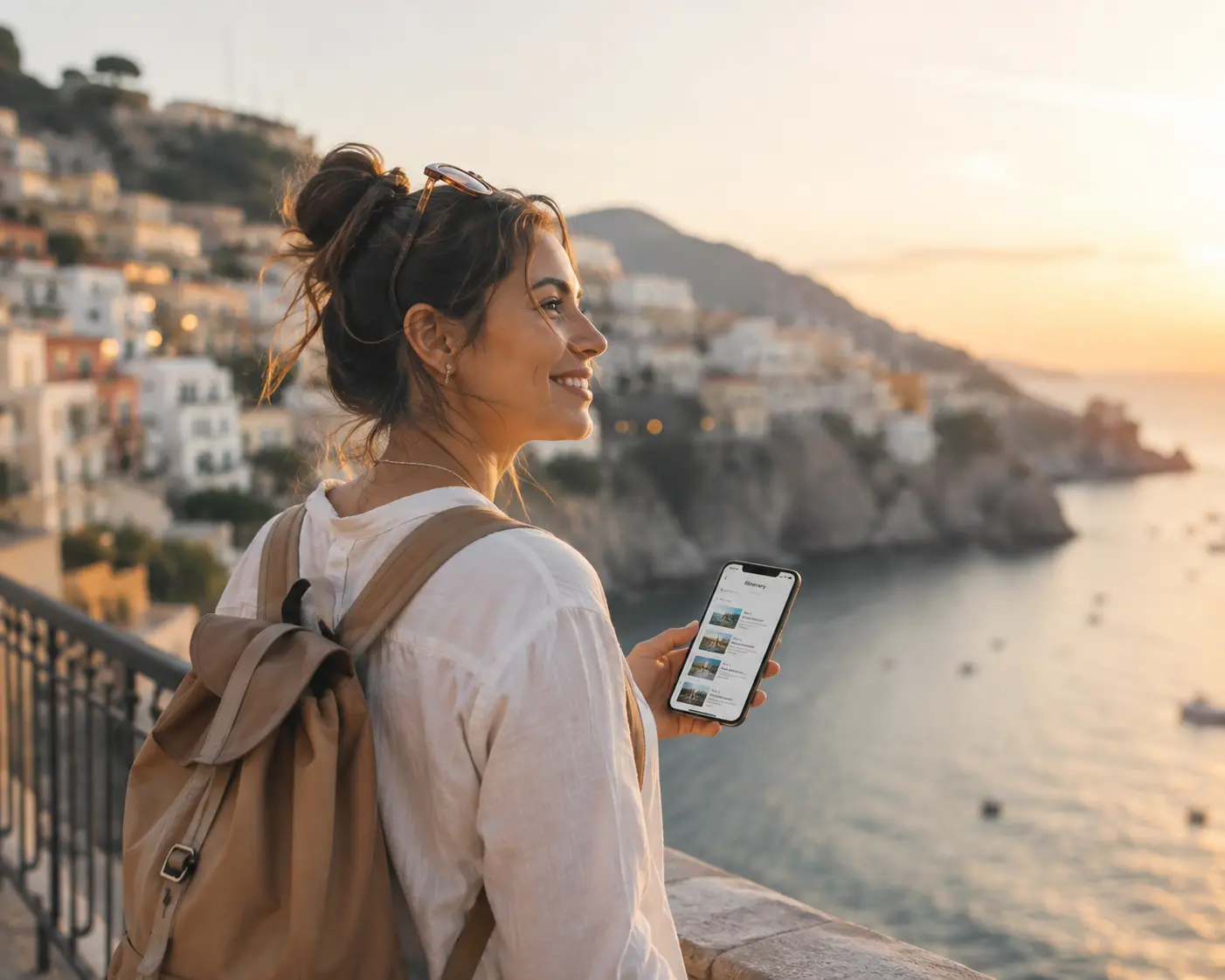
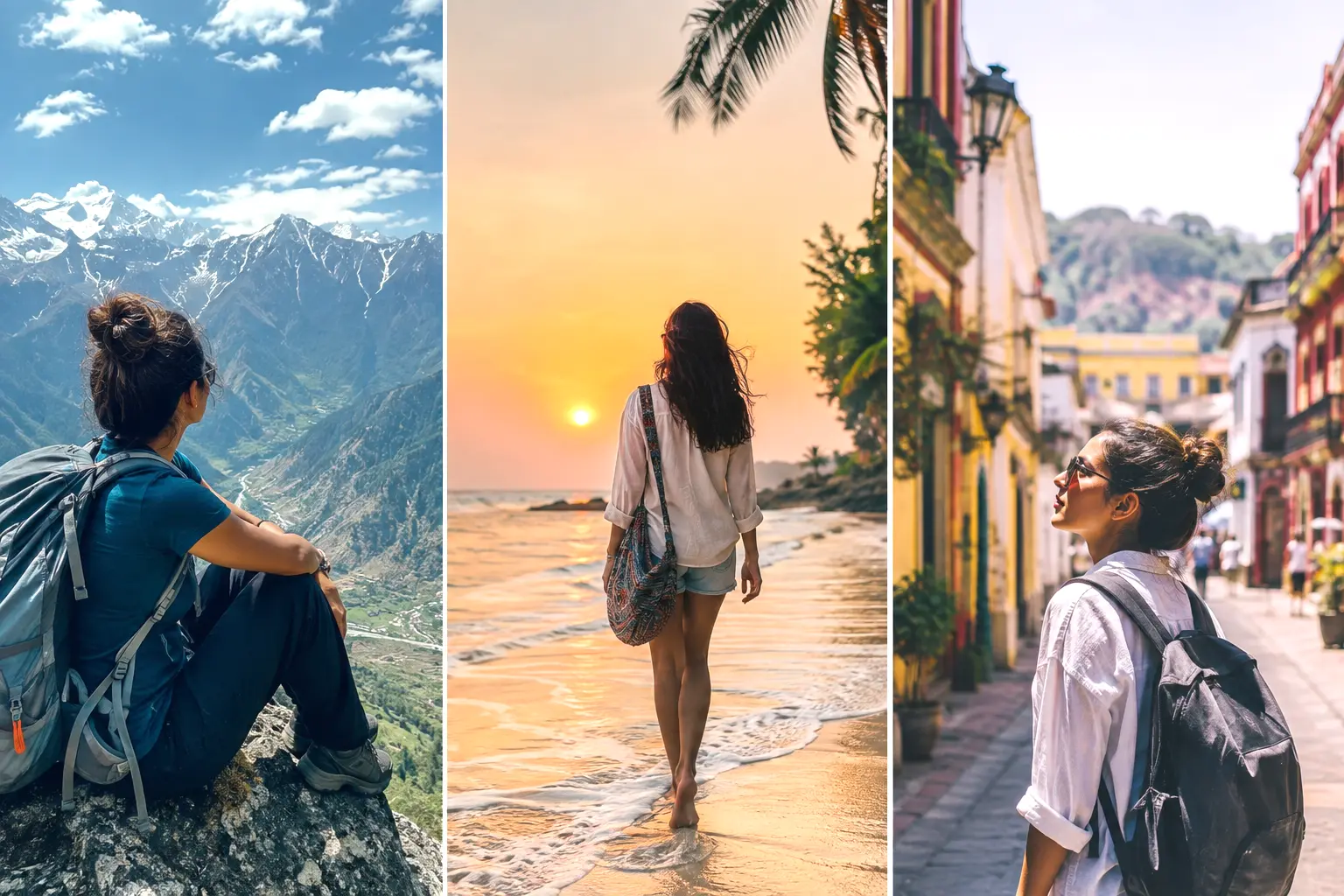
Solo travel overall is booming, but the numbers behind it point to one group driving most of that growth: women. Women make up the large majority of solo travelers worldwide, by some measures more than four out of every five. Search interest in women’s solo travel specifically has climbed to its highest point in fifteen years; and unlike a lot of travel trends, this one shows up consistently across age groups, not just among younger travelers.
What’s Actually Changed
The rise isn’t just about more women deciding to travel alone — it’s about the infrastructure catching up. Hotels are increasingly waiving single-supplement fees. Tour operators have built dedicated small-group options for solo women who want company some of the time without giving up the flexibility of an independent trip. And a wave of safety-ranking data, trip-planning content, and traveler community platforms built specifically around women’s solo travel has made the research phase — often the biggest source of pre-trip anxiety — much easier than it used to be.
That last point matters more than it might seem. Across solo travel data generally, the anxiety travelers report is concentrated almost entirely in the planning stage, not the trip itself — once women are actually on the ground, reported comfort levels rise sharply.
Where the Data Points ?
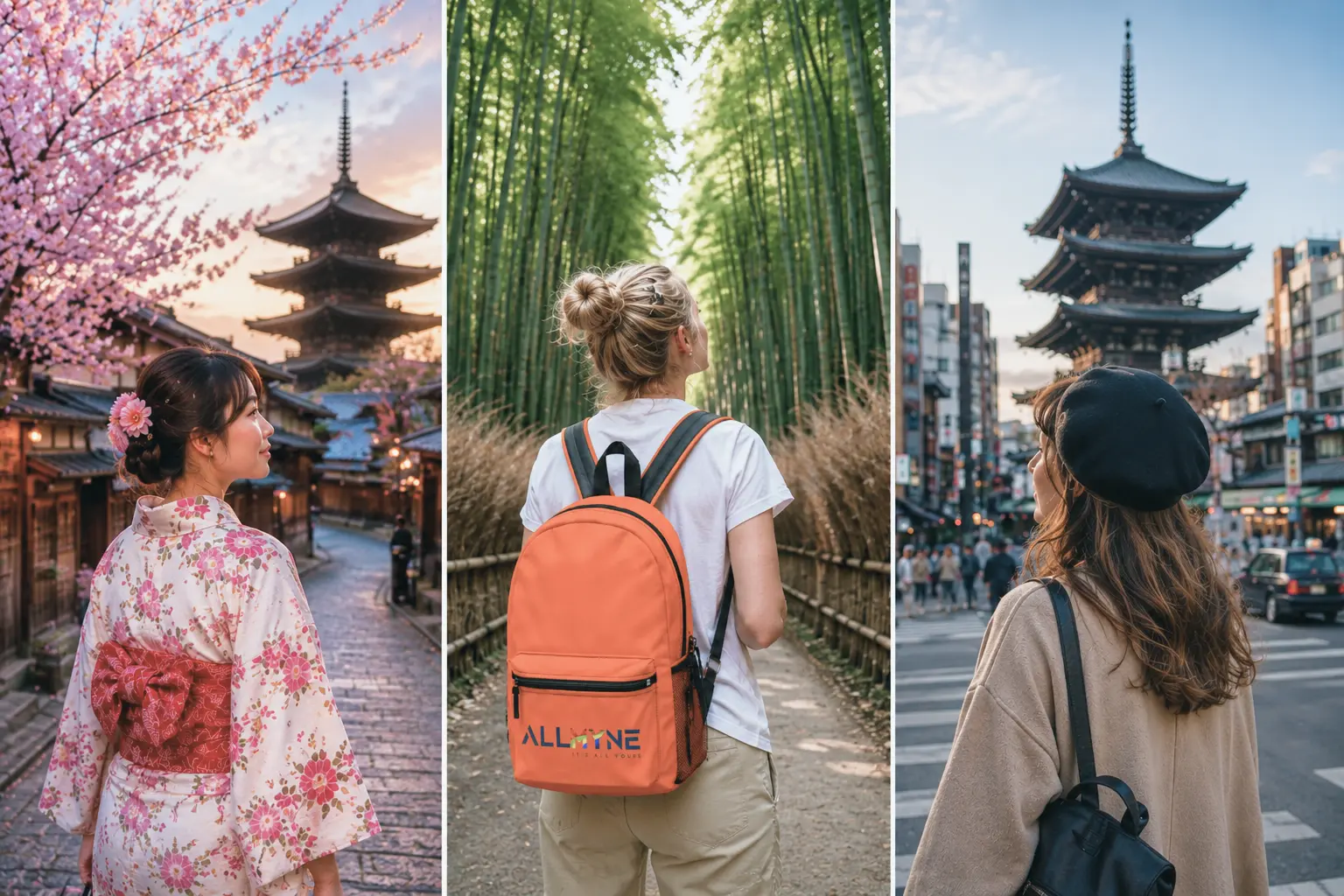
Safety and infrastructure rankings for solo female travelers converge on a fairly consistent shortlist: Iceland, Portugal, Japan, Ireland, and Denmark repeatedly top these lists. Spain stands out as the highest-scoring non-Nordic country on solo female safety indices — notable because it combines that safety profile with a much larger, more varied set of cities and regions to explore than the smaller Nordic countries typically offer.
What these destinations tend to have in common isn’t luck — it’s specific, learnable traits:
- Walkability and public transit that don’t require navigating unfamiliar roads or relying on late-night rideshares
- A café and street-food culture where solo dining is completely unremarkable rather than something that draws attention
- Strong, current safety data — not just a general reputation, but recent traveler-reported experience backing it up
Cost, Not Just Safety, Shapes the Decision
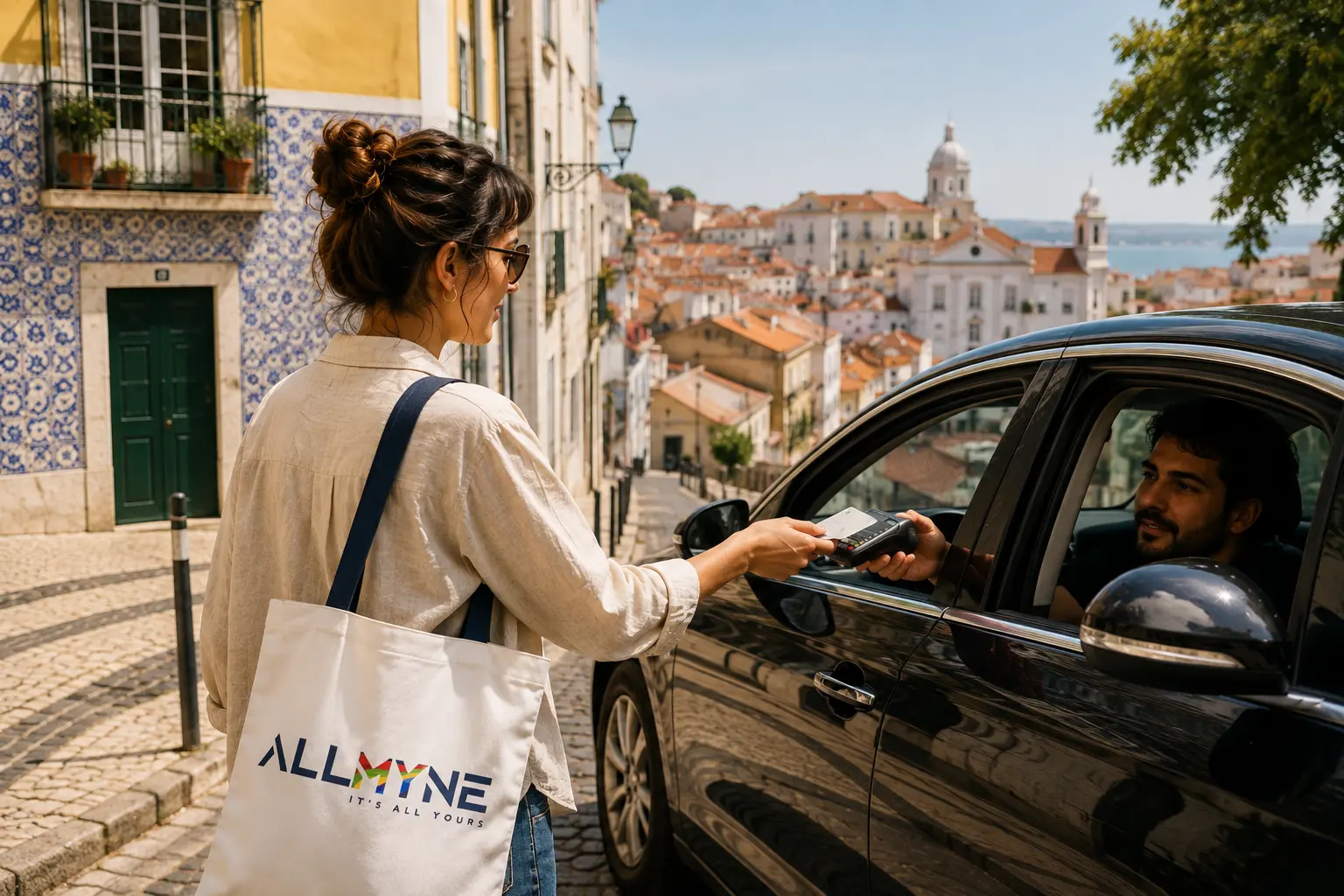
Safety is the headline factor, but it isn’t the only one. Cost consistently ranks as the top deciding factor for solo female travelers choosing a provider or destination — which is part of why budget-friendly, walkable European cities keep outperforming flashier but pricier alternatives on “best for solo women” lists. A destination can be perfectly safe and still lose out if the trip requires constant paid transport just to feel secure getting around.

Planning Your Own Version of This Trip
A few things worth building into the plan before you go, based on what consistently works for other solo women travelers:
- Book accommodation with 24-hour front desk access and good lighting near the entrance — small details, but ones that come up repeatedly in traveler feedback as making a real difference.
- Choose a first trip destination with strong public transit over one that requires you to drive or rely heavily on rideshares after dark.
- Look for hotels that have explicitly dropped single-supplement pricing — an increasingly common and easy-to-find signal that a property is set up for solo guests, not just tolerating them.
- Layer in some structure without giving up flexibility — a couple of pre-booked, small-group activities can offer built-in company for part of the trip while leaving the rest of your days open.
The Bottom Line
This isn’t a niche corner of travel anymore — it’s one of the fastest-growing and most consistently well-funded segments in the entire industry, and the destinations built around it keep getting easier to plan for. If a solo trip has been on your list, the safety data, the traveler infrastructure, and the sheer volume of other women already doing it have never lined up better.
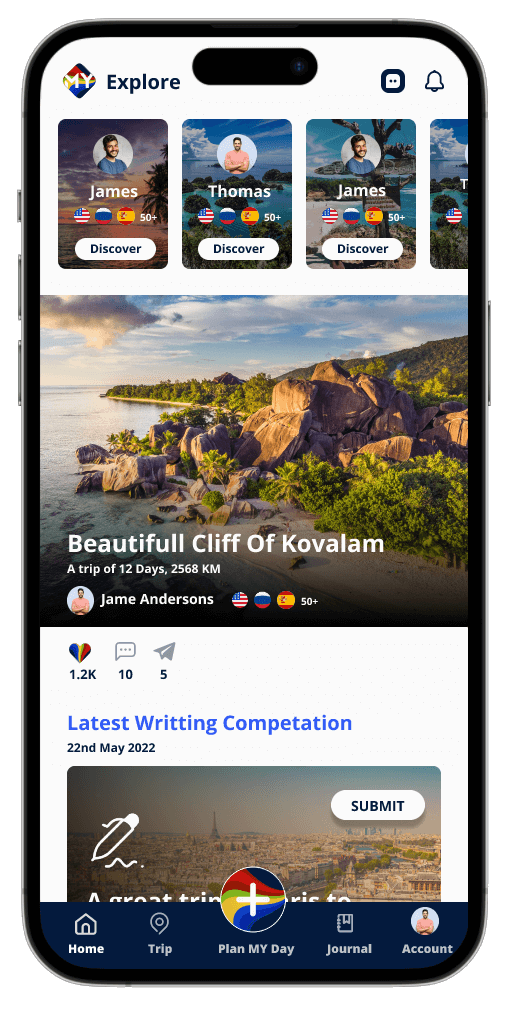
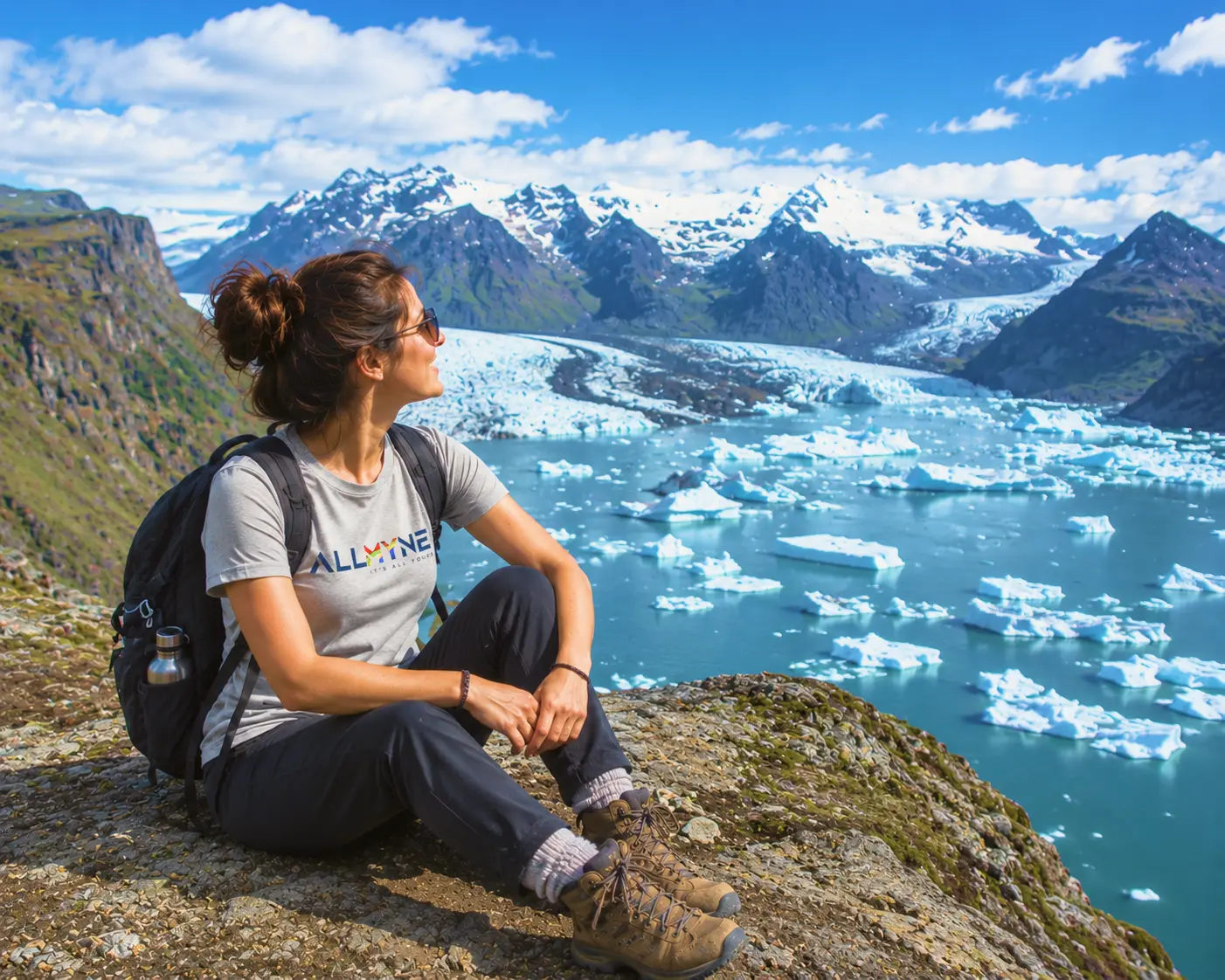
A local guide who actually knows a neighborhood after dark — like the ones from ALLMYNE — is worth more here than any generic safety ranking, the kind of specific, on-the-ground detail that turns a “safe enough” destination into one you’d genuinely recommend to a friend traveling alone.