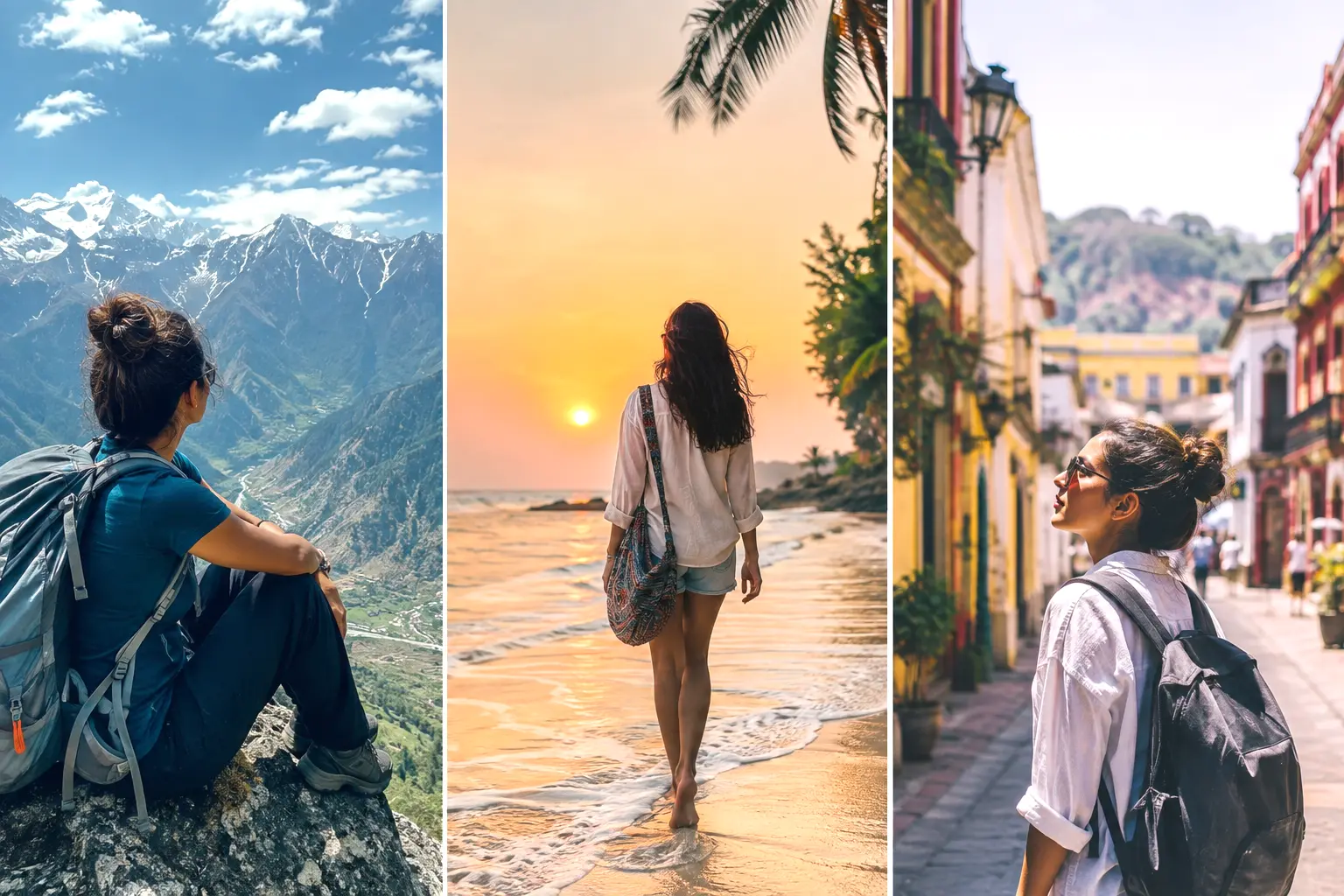
Solo travel isn’t an emerging trend anymore. Solo travel isn’t an emerging trend anymore—it’s a fully mainstream way to see the world. In fact, data shows search interest reached a 15-year high in 2026. Consequently, the global market is now valued in the hundreds of billions of dollars, outpacing overall travel spending growth.
The more interesting story is who’s actually doing it — and it isn’t who the stereotype suggests.
The Story the Data Actually Tells
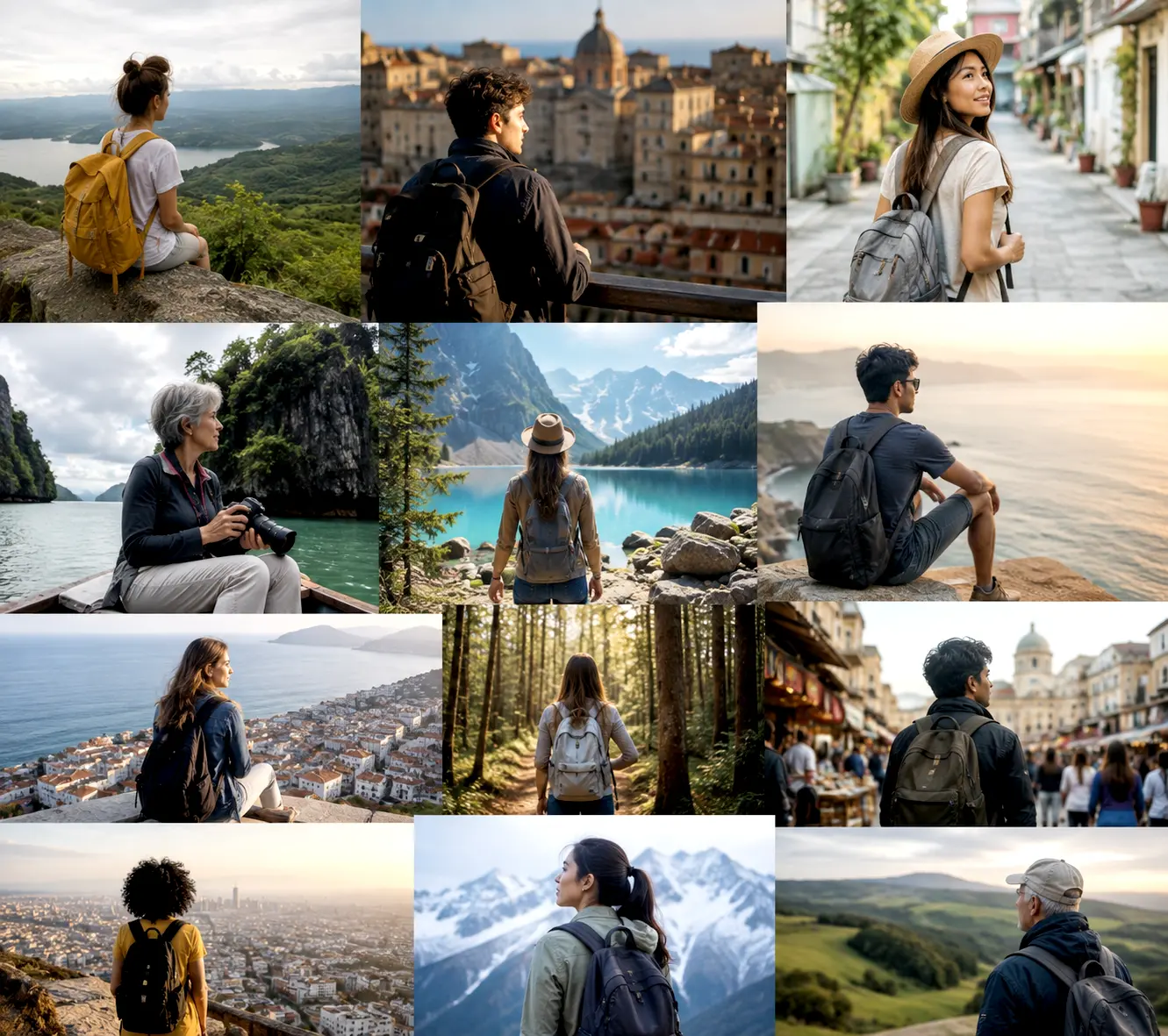
The image most people have of a solo traveler — a backpacker in their twenties on a gap year — only describes a slice of who’s actually booking these trips.
- Roughly four in ten solo travelers today are 40 or older.
- Solo travelers outspend couples on a per-person basis by a wide margin, running counter to the assumption that traveling alone means traveling cheap.
- Trip lengths tend to run 7–10 days for first-timers, with a meaningful share of frequent solo travelers taking three or more solo trips a year.
- Most solo travelers aren’t traveling alone all the time — a large share also travel with others on separate trips. This is a preference, not a lifestyle default.
Social platforms have amplified all of this. Solo travel content has grown enormously on TikTok and Instagram over the past few years, turning a once-niche interest into something algorithmically visible to millions of people who’d never actively searched for it.
Why Now ?
A few forces are converging at once. Remote and hybrid work has made it easier to extend a trip without asking anyone else’s schedule to bend around it. Younger travelers, in particular, are treating travel as a non-negotiable budget line rather than a luxury to cut first. And there’s a straightforward planning advantage to solo travel that doesn’t get discussed enough: no group consensus to negotiate, no compromise itinerary — just the trip you actually want.
The biggest reported hesitation isn’t loneliness once the trip is underway — it’s the planning burden beforehand. Once travelers are actually on the ground, that anxiety tends to fade quickly.
Where Solo Travelers Are Actually Going ?
Certain destinations show up again and again in solo travel rankings, and they tend to share a few traits: walkable city centers, reliable public transit, a strong café or street-food culture that makes eating alone unremarkable, and a reputation for safety that holds up under real traveler feedback rather than just marketing copy.
Iceland, Portugal, Japan, Ireland, and Denmark are consistent top performers on these measures. None of them require you to plan around a companion’s interests, budget, or vacation days — which is, for a lot of travelers, precisely the point.
Starting Your First Solo Trip
If you’re solo-curious but haven’t pulled the trigger, a few starting principles help:
- Pick a place designed for it. A city where solo dining, walking, and public transit are already the norm removes a lot of first-trip anxiety before you even land.
- Start shorter than you think you need to. A week is plenty for a first solo trip — long enough to settle in, short enough that a rough day doesn’t derail the whole thing.
- Front-load your planning, then let the trip breathe. Solo travelers tend to plan more deliberately upfront and improvise more once they arrive — the opposite of a group trip, where the itinerary usually firms up as everyone negotiates in real time.
The Bottom Line
Solo travel isn’t a passing fad. In fact, it represents a major structural shift in how people across every age group spend their time and money. However, if you’ve been waiting for the “right” companion or the perfect moment, the data shows most travelers stopped waiting a while ago.
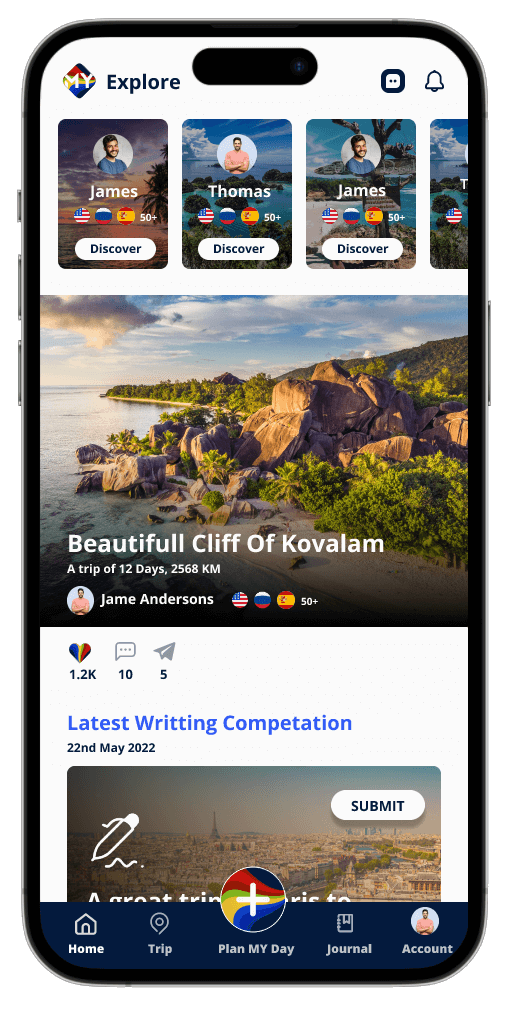
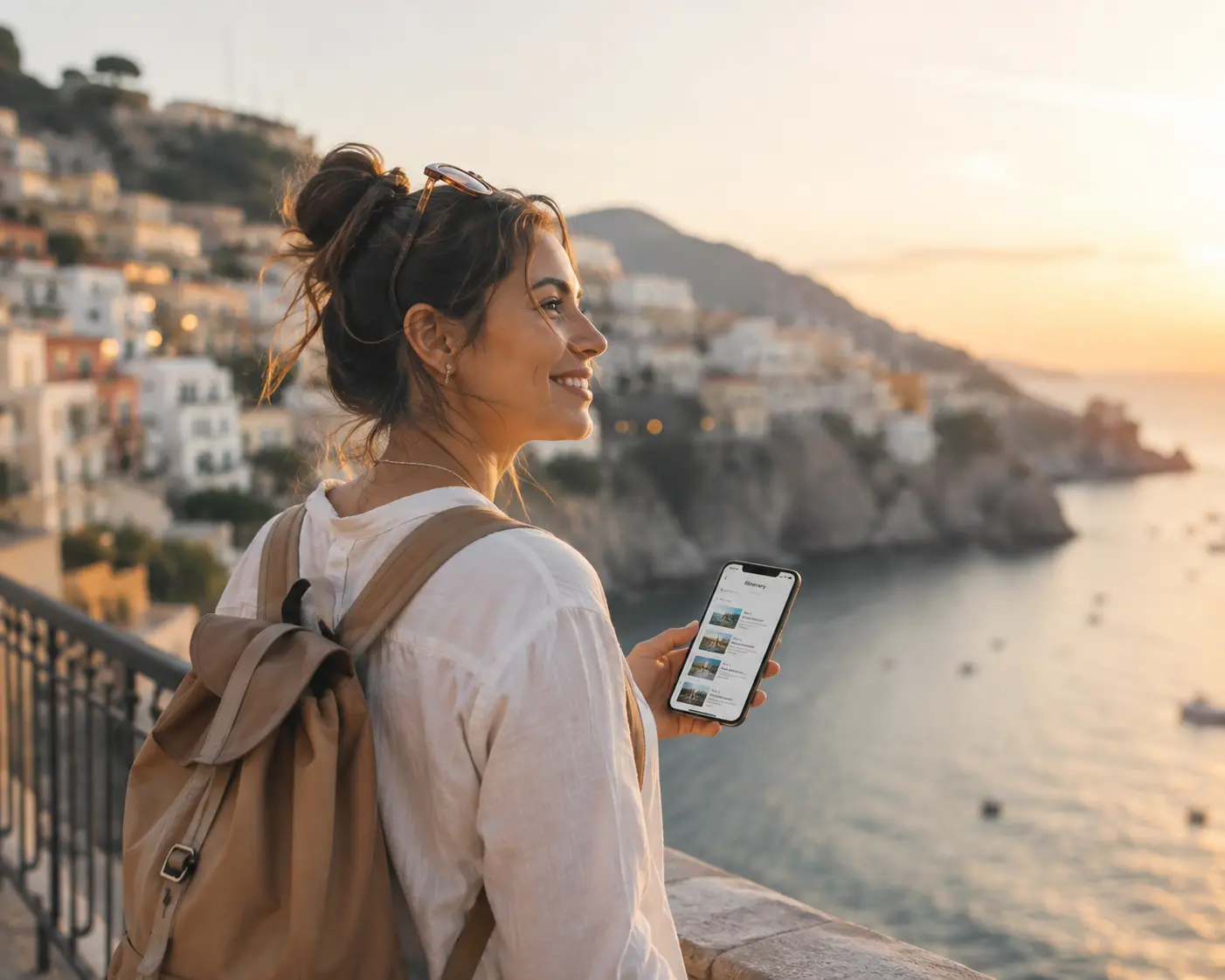
Fortunately, ALLMYNE removes the heavy planning burden that keeps so many people on the fence. By providing personalized itineraries and real intelligence from local guides, we handle the research for you—so you never have to sort out flights and hotels alone.