Ceuta: Spain’s Fortress on the Edge of Africa
By The ALLMYNE Journal
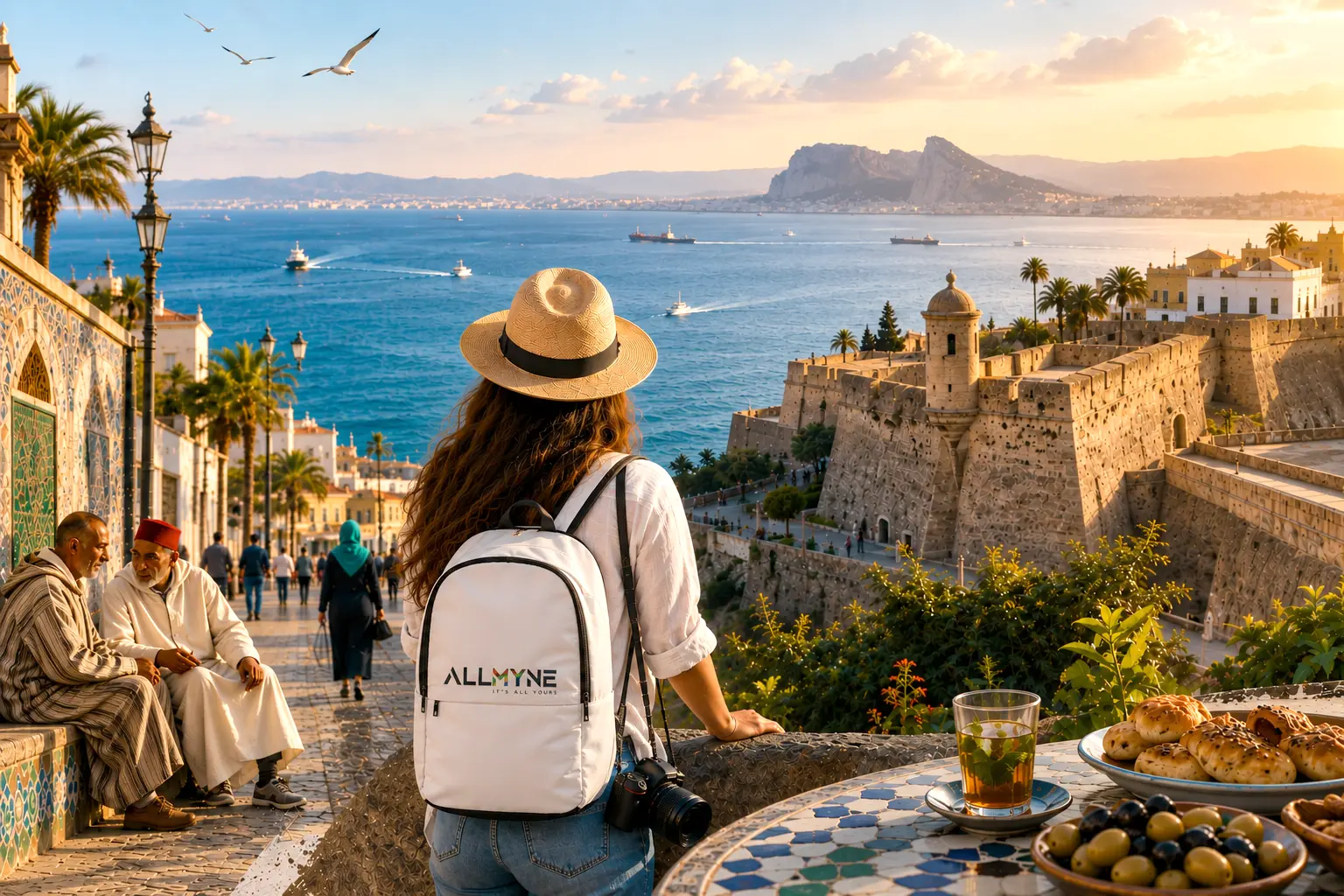
For anyone planning a ceuta spain travel itinerary, there are few places in the world where geography feels so surreal.
Stand on the waterfront in Ceuta, and Africa stretches behind you while Europe lies just across the shimmering waters of the Strait of Gibraltar.”
You are standing on the African continent.
Yet you are in Spain.
European Union flags wave above government buildings.
Spanish is the language spoken in cafés.
The euro is the currency in your pocket.
And across the border, only a few hundred yards away, begins Morocco.
Nowhere else in Europe feels quite like this.
Ceuta is not merely a destination.
It is a crossroads of civilizations, cultures, religions, commerce, and one of the world’s most complex conversations about borders, identity, and migration.
A City Older Than Nations
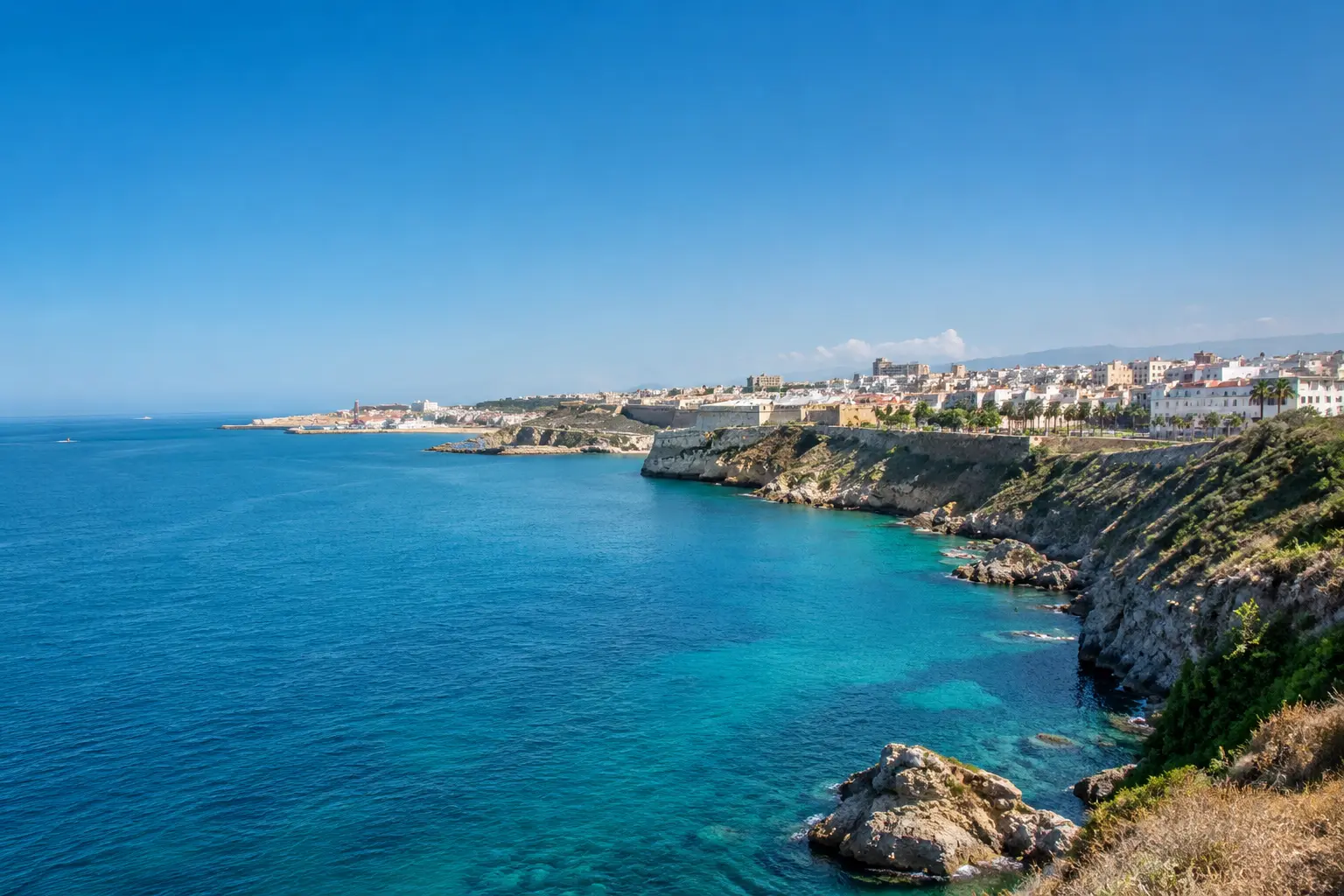
Long before Spain existed, Ceuta was prized by Phoenicians, Romans, Byzantines, Arabs, and Portuguese.
Its location made it one of the most strategically valuable harbors in the Mediterranean.
Whoever controlled Ceuta controlled one of the gateways between the Atlantic Ocean and the Mediterranean Sea.
Portugal captured the city in 1415, marking the beginning of European expansion into North Africa.
When the Portuguese and Spanish crowns united in the late sixteenth century, Ceuta eventually chose to remain with Spain—a decision that has shaped its identity ever since.
Today, it is one of Spain’s two autonomous cities on the African continent, alongside Melilla.
Europe Begins Here
Ceuta occupies barely 19 square kilometers.
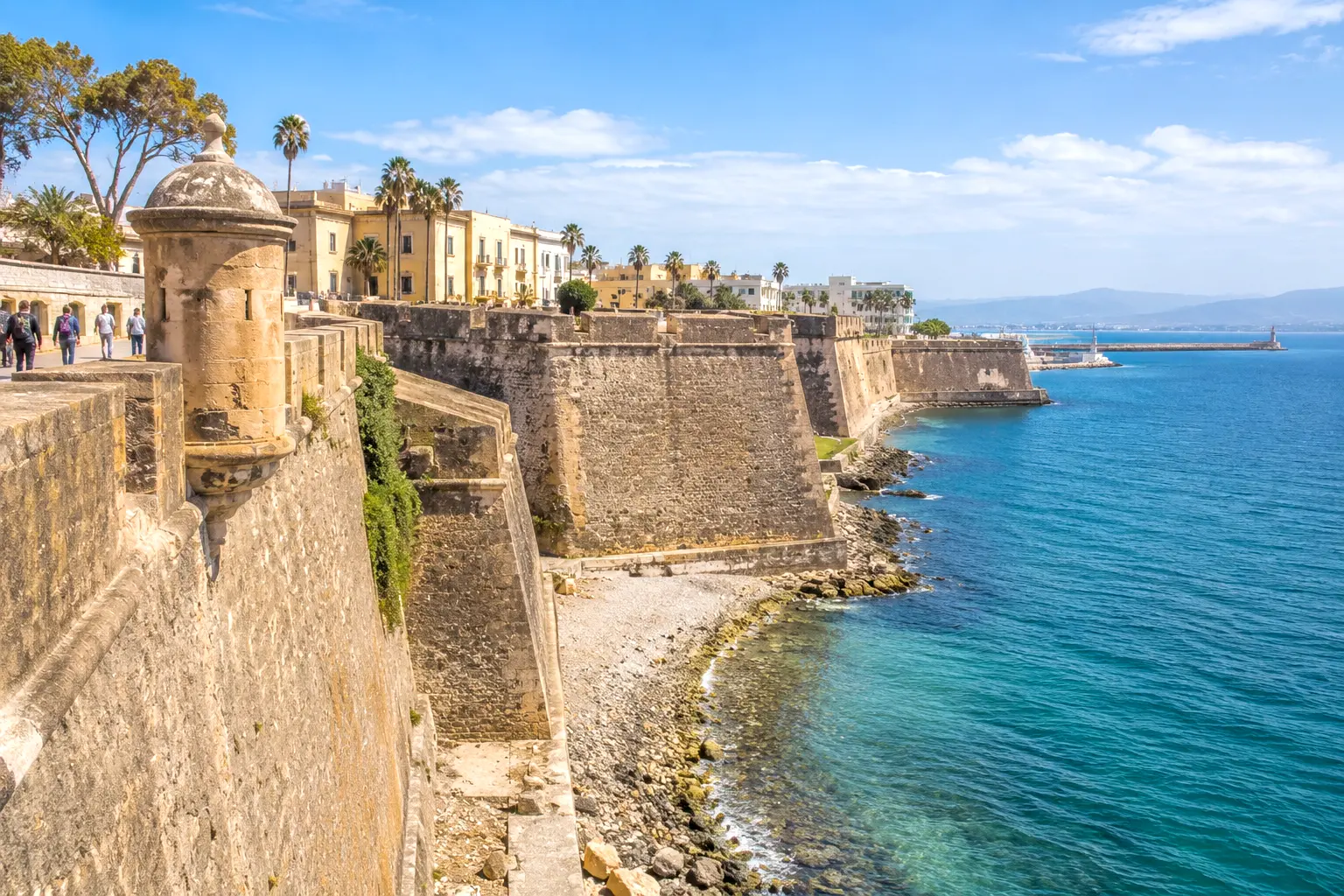
Yet within this compact city are Roman ruins, medieval fortifications, elegant plazas, bustling markets, churches, synagogues, mosques, and Hindu temples.
Few cities embody coexistence as naturally.
Christians, Muslims, Jews, and Hindus have lived alongside one another for generations.
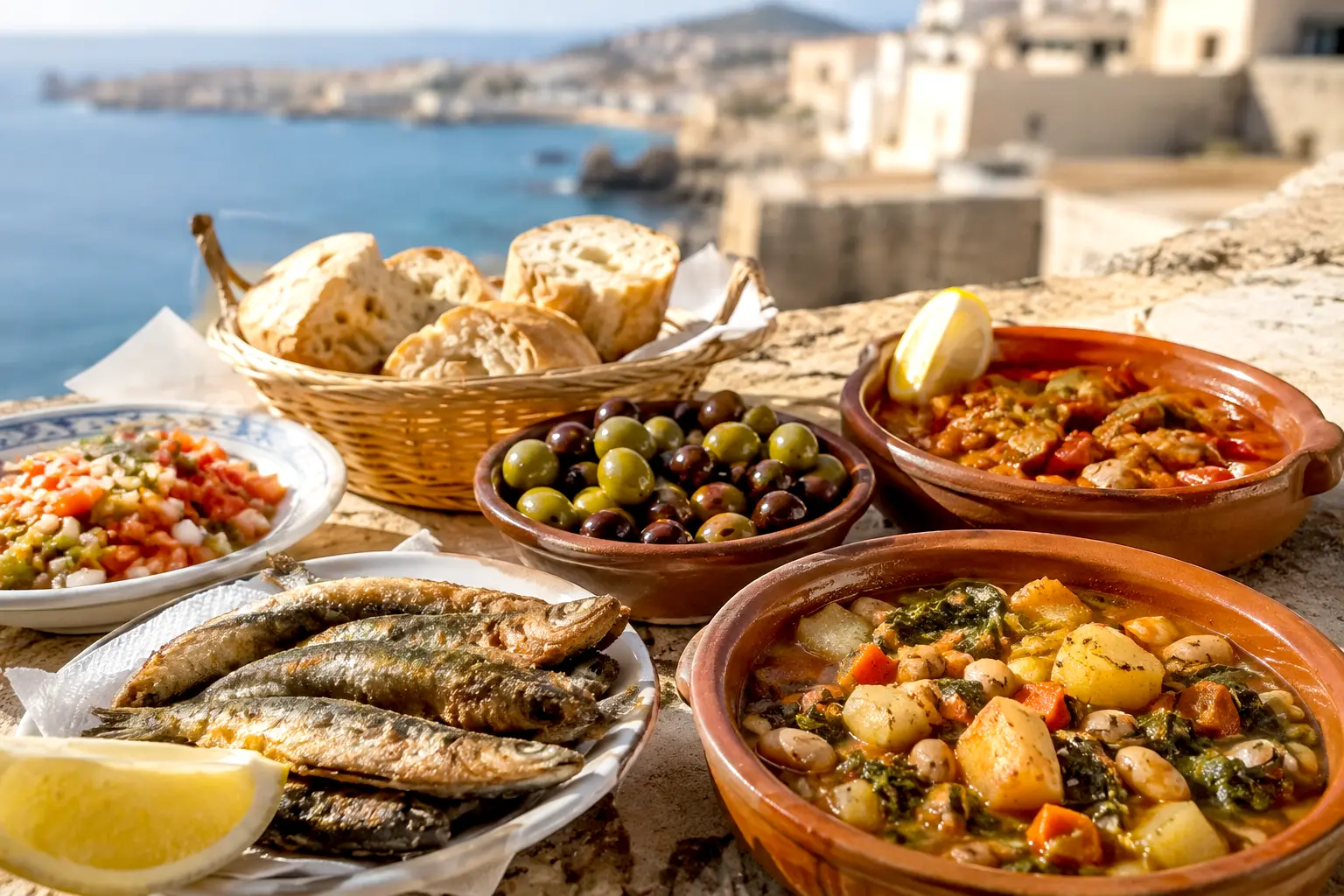
Local cuisine reflects this remarkable diversity.
Spanish tapas meet Moroccan spices.
Fresh seafood arrives daily from surrounding waters.
Pastries carry both Andalusian and North African influences.
Walking through Ceuta often feels less like crossing borders and more like watching cultures blend together.
The View Across the Water
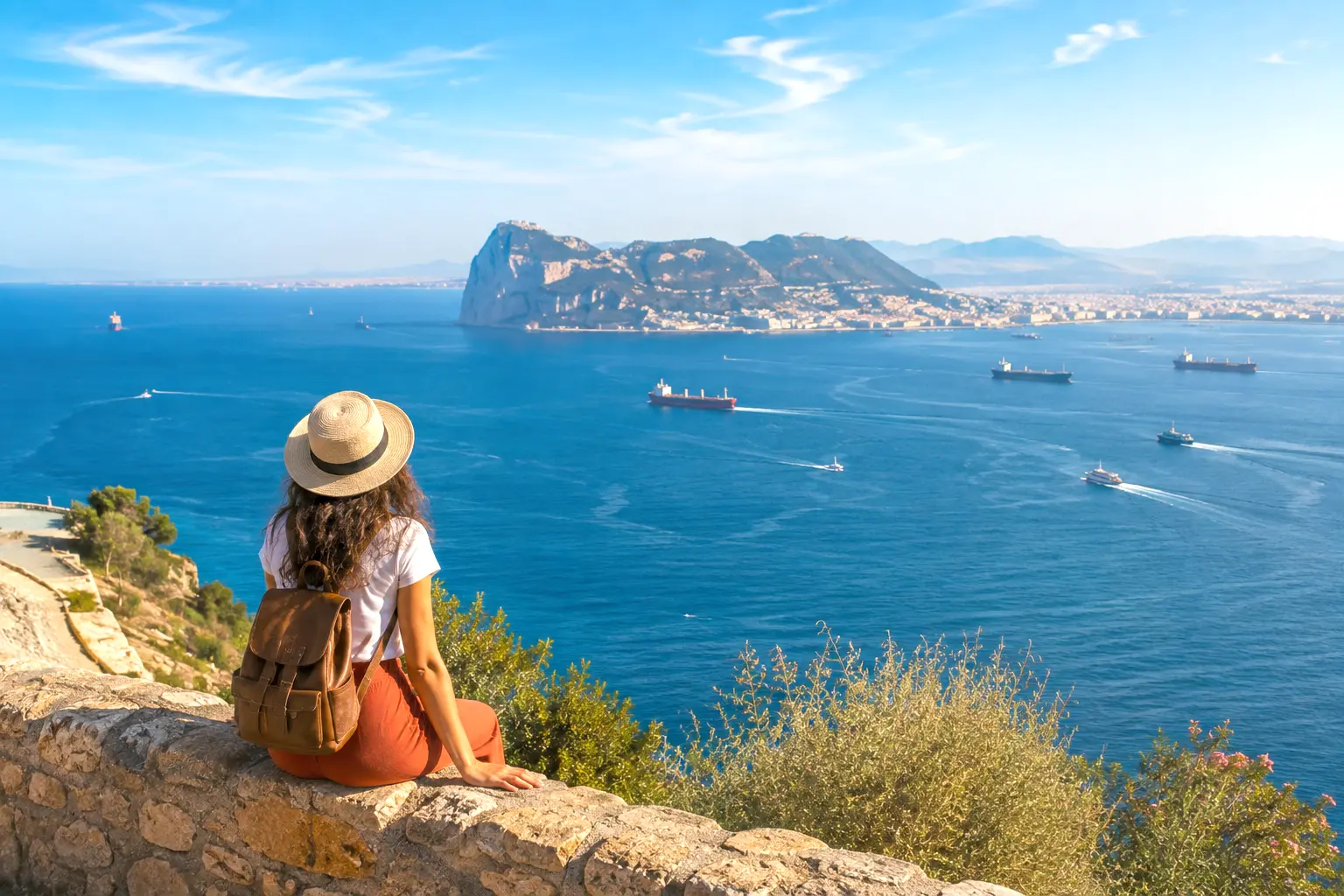
From Monte Hacho, the hill overlooking the city, the Strait of Gibraltar appears astonishingly narrow.
On clear days, mainland Spain seems almost close enough to touch.
Cargo ships drift silently between continents.
Ferries connect Ceuta with Algeciras several times each day.
For visitors, the crossing is breathtaking.
For countless others, those waters represent hope.
The Frontier of Europe
Ceuta occupies a unique place in global geography.
It forms one of the European Union’s only land borders with Africa.
That distinction has transformed the city into one of the most closely watched frontiers in the world.
High security fencing, surveillance technology, maritime patrols, and international cooperation all converge here.
Yet geography cannot be changed.
Only a narrow strip of land separates two continents whose economic realities differ dramatically.
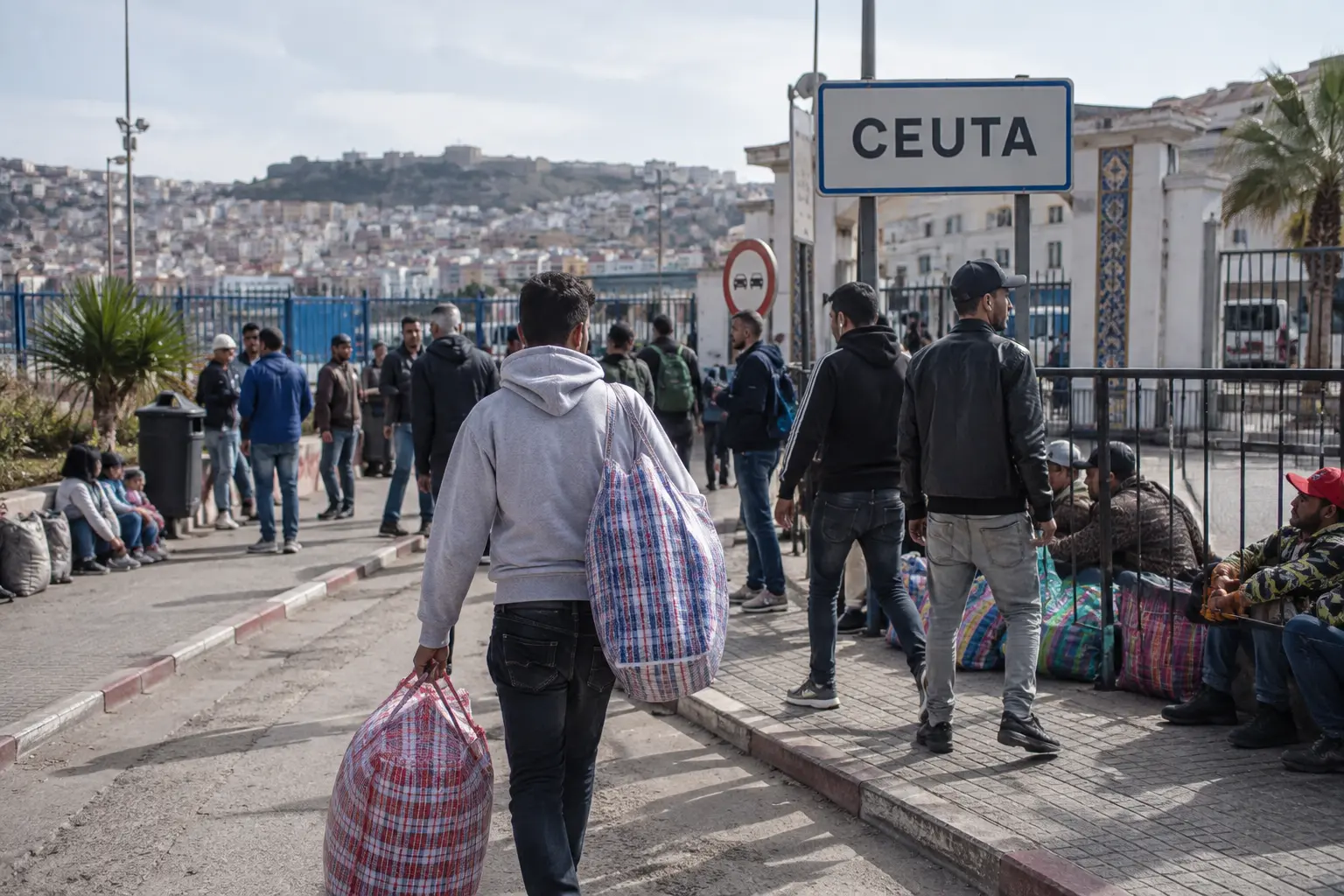
For decades, Ceuta has become one of several routes used by migrants seeking entry into Europe, alongside maritime crossings to Spain’s Canary Islands and other Mediterranean routes.
A Human Story
Migration is often discussed through numbers.
Thousands crossed.
Hundreds rescued.
Policies debated.
Borders reinforced.
Yet every statistic represents an individual.
A parent hoping for safety.
A young adult searching for opportunity.
A family escaping conflict or poverty.
Many undertake dangerous journeys, sometimes swimming around breakwaters or attempting sea crossings that have claimed lives. Humanitarian organizations, Spanish authorities, and Moroccan authorities have all faced the challenge of balancing rescue efforts, border management, and legal obligations.
The realities are complex.
Spain has the responsibility to secure one of the European Union’s external borders.
At the same time, international law recognizes protections for people seeking asylum.
These two responsibilities often intersect in Ceuta, making the city both a symbol of border security and a place where humanitarian concerns are highly visible.
The Crisis That Captured the World’s Attention
In May 2021, Ceuta suddenly became the focus of international headlines when thousands of people entered the city from neighboring Morocco within just two days, creating an unprecedented humanitarian, political, and diplomatic challenge. The episode followed heightened tensions between Spain and Morocco and demonstrated how quickly migration, diplomacy, and geopolitics can become intertwined.
More recently, migration pressure has again intensified, reminding Europe that Ceuta remains one of its most sensitive external frontiers. Authorities have responded with increased border security while continuing rescue and processing operations for those who arrive.
The debates that follow are often passionate:
-
For instance, how should nations effectively protect their borders?
-
Equally important, how should they respond to humanitarian emergencies?
-
In addition, how can neighboring countries cooperate while respecting both sovereignty and human dignity?
Ceuta offers no simple answers. It simply places these questions in plain view.
Beyond the Headlines
Despite its geopolitical importance, everyday life continues.
Children walk to school.
Markets open each morning.
Fishing boats return before sunrise.
Neighbors gather for coffee.
Families stroll along palm-lined promenades overlooking the sea.
Visitors often discover a relaxed Mediterranean city whose rhythm is very different from the dramatic images seen on international news broadcasts.
It is this contrast that makes Ceuta so fascinating.
A place of remarkable tranquility that also stands at the center of global conversations.
Why Travelers Should Visit
Ceuta rewards curious travelers.
Ceuta rewards curious travelers in numerous ways:
-
First, visitors can explore its ancient Royal Walls and fascinating historical museums.
-
In addition, you can relax along scenic beaches or wander through multicultural neighborhoods.
-
Furthermore, the city offers remarkable local cuisine and spectacular coastal drives.
Most importantly, it offers perspective.
Few destinations allow visitors to stand in one place while contemplating Europe, Africa, history, commerce, migration, diplomacy, and culture all at once.
Travel here is not simply sightseeing.
It is an education.
The ALLMYNE Perspective
At ALLMYNE, we believe travel is at its most meaningful when it deepens understanding rather than reinforces assumptions.
Ceuta reminds us that borders are more than lines on a map.
They are places where histories intersect, cultures evolve, economies meet, and human lives are shaped by decisions made far beyond the horizon.
Visiting Ceuta means experiencing extraordinary beauty while recognizing the complexity that defines many of today’s global challenges.
Travel cannot solve those challenges.
But it can replace distance with understanding.
And understanding is often where meaningful conversations begin.

Before You Go
Take the ferry from Algeciras.
Walk the Royal Walls.
Visit Monte Hacho at sunset.
Explore the local markets.
Sample fresh seafood and North African flavors.
Spend time speaking with residents.
Read about the city’s history before you arrive.
And remember that while Ceuta is rich in monuments and natural beauty, its greatest lesson is less about architecture than about perspective.
Final Reflection
Most travelers search for destinations that separate them from the world.
Ceuta does the opposite.
It brings the world together.
Here, continents meet.
Cultures overlap.
Faiths coexist.
History remains visible in stone walls and bustling streets.
And the questions shaping the twenty-first century unfold just beyond the horizon.
Perhaps that is why Ceuta leaves such a lasting impression.
Not because it offers easy answers.
But because it invites us to see the world in all of its complexity—with curiosity, humility, and compassion.