

Something has shifted in how the world travels. Airports are still packed. Hotels are still filling up. But the destinations people are choosing — and the way they behave once they get there — look different than they did even a few years ago.
Call it the anti-tourism movement, though that name undersells it. This isn’t about avoiding travel. It’s about avoiding being the problem.
Why This Is Happening Now
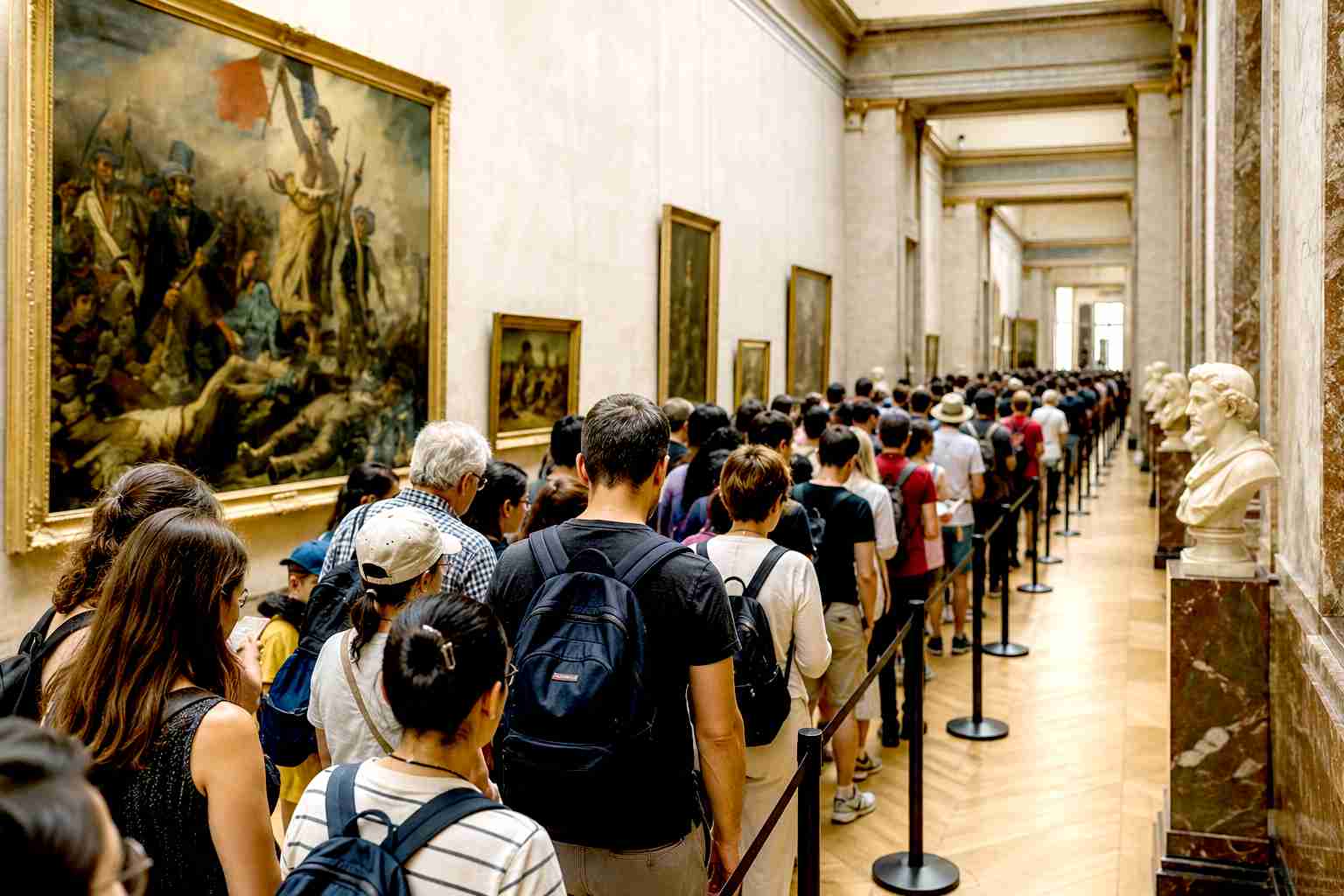
Across Europe, residents in cities like Barcelona, Venice, Lisbon, and Amsterdam have spent the past two summers pushing back — hard — against the crowds. The complaints are consistent: housing prices climbing as apartments convert to short-term rentals, historic centers overwhelmed by day-trippers, infrastructure straining under visitor numbers that dwarf the local population during peak months.
Cities have responded with real policy. Venice now charges day-trippers an entry fee. Barcelona has moved to phase out short-term rental licenses entirely by the end of the decade. The Louvre introduced different ticket pricing for non-EU visitors. Coordinated protests swept more than a dozen European cities in a single day this past June.
None of this means tourism itself is unwelcome — most of these economies depend on it. The pushback is aimed at a specific model: enormous volume concentrated into a handful of postcard locations, with little left over for the people who live there year-round.
Travelers are noticing and adjusting. Recent industry survey data puts it plainly: roughly a third of travelers say they’ve personally experienced the effects of overtourism, and a similar share are now deliberately seeking out quieter alternatives instead.
What “Traveling Well” Actually Looks Like in 2026
The anti-tourist playbook isn’t a boycott. It’s a set of habits that happen to make for a better trip anyway.
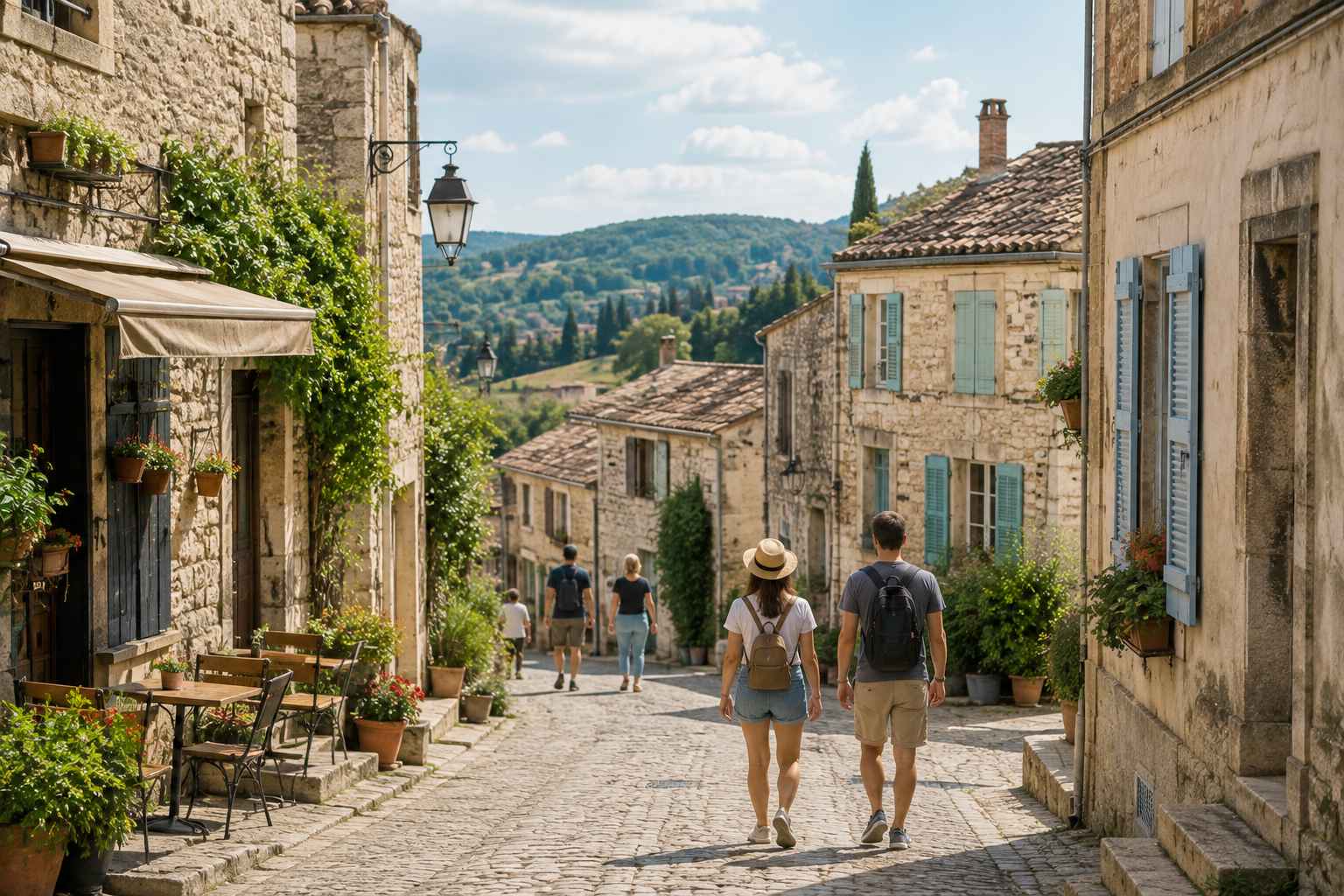
Choose the second city, not the postcard. For every overwhelmed capital, there’s a nearby city offering the same culture with a fraction of the crowd: Lyon instead of another lap through Paris; Ljubljana instead of Prague; secondary cities across Italy instead of another photo in the same Venetian alley everyone else is standing in. These places aren’t consolation prizes. They’re often where the more interesting version of the trip was hiding the whole time.
Shift your calendar, not just your map. Traveling in shoulder season — April/May or September/October in most of Europe — sidesteps both the worst crowding and a growing share of the new fees and entry restrictions, which tend to bite hardest during peak months.
Slow down. Multiple regional train journeys instead of one landmark-hopping sprint. Staying five nights in one place instead of one night in five. Slower trips naturally redistribute money and attention away from the single most photographed block in any city.
Plan ahead instead of showing up and hoping. Timed entry, reservation requirements, and daily visitor caps are becoming standard rather than exceptional. Spontaneity is giving way to a bit of homework, and checking whether a site needs advance booking is now a normal part of trip planning, not a niche traveler habit.
Spend where it stays local. Independent guesthouses, family-run restaurants, and locally led tours put money back into the communities absorbing the visitor traffic, rather than into platforms and chains that extract value without reinvesting it.
The Honest Complication
It’s worth naming the tension here directly: “quality over quantity” tourism can shade uncomfortably close to pricing out budget travelers while still welcoming wealthier ones. Dual pricing, rising taxes, and premium access fees don’t reduce visitor numbers so much as filter who can afford to be one. That’s a real critique, and it’s not going away.
But that’s an argument for how destinations manage the shift, not a reason for travelers to ignore it. The traveler-side version of “traveling well” costs nothing extra: it’s picking the quieter month, the smaller town, the locally owned table. Those choices were always available. They just weren’t the default.
The Takeaway
Overtourism isn’t a reason to stop exploring — it’s a reason to explore differently. The travelers adjusting now, ahead of stricter caps and steeper fees, aren’t just avoiding hassle. They’re often finding a better trip on the other side of it: the town before it’s discovered, the train instead of the tour bus, the meal that isn’t on anyone’s list yet.
That’s not a downgrade. For a lot of travelers, it turns out to be the whole point.
This is exactly where a local guide from ALLMYNE earns their keep — knowing which second city, which off-season week, and which family-run table are worth your time before you land, instead of after. It’s the difference between finding a hidden gem and just finding a shorter line.
Have a destination in mind that’s dealing with its own overtourism moment? Explore it through ALLMYNE before everyone else catches on.