
A year ago, asking an AI chatbot for travel advice felt like a novelty. In 2026, it’s become a normal first step in trip planning, and search interest in “AI travel assistant” has climbed sharply, and a growing share of travelers now start their planning process in a chat window instead of a search bar.
But “using AI to plan a trip” covers a lot of very different experiences depending on which tool you open. Here’s what’s actually working, what isn’t, and how to use these tools without ending up with a beautifully written itinerary that falls apart the moment you land.
The Tools, Honestly Assessed
General-purpose chat assistants (ChatGPT, Gemini, Claude) have absorbed most of the early “AI trip planner” hype, and for good reason — they’re already on your phone, and they’ve gotten noticeably better at travel-specific reasoning over the past year.
- Gemini leans on its connection to Google Search and Google Maps, so it’s strong on live pricing, real opening hours, and flagging schedule disruptions like flight delays or transit strikes. Its recommendations do tend toward the most reviewed, most photographed spots, so it’s less likely to surface the neighborhood place only locals know.
- ChatGPT is the more flexible conversational planner: better at open-ended brainstorming, multi-city routing logic, and adjusting a plan as your preferences shift mid-conversation. Its weak spot is fact-precision; a fluent, confident-sounding answer isn’t the same as a verified one.
- Dedicated trip-planning apps (Mindtrip, Wonderplan, and similar tools) sit in a middle category — purpose-built for laying out a day-by-day itinerary with maps and sharing built in, which the general chat assistants still don’t do especially well on their own.

What “Traveling Well” Actually Looks Like in 2026
The anti-tourist playbook isn’t a boycott. It’s a set of habits that happen to make for a better trip anyway.
Choose the second city, not the postcard. For every overwhelmed capital, there’s a nearby city offering the same culture with a fraction of the crowd: Lyon instead of another lap through Paris; Ljubljana instead of Prague; secondary cities across Italy instead of another photo in the same Venetian alley everyone else is standing in. These places aren’t consolation prizes. They’re often where the more interesting version of the trip was hiding the whole time.
Shift your calendar, not just your map. Traveling in shoulder season — April/May or September/October in most of Europe — sidesteps both the worst crowding and a growing share of the new fees and entry restrictions, which tend to bite hardest during peak months.
Slow down. Multiple regional train journeys instead of one landmark-hopping sprint. Staying five nights in one place instead of one night in five. Slower trips naturally redistribute money and attention away from the single most photographed block in any city.
Plan ahead instead of showing up and hoping. Timed entry, reservation requirements, and daily visitor caps are becoming standard rather than exceptional. Spontaneity is giving way to a bit of homework, and checking whether a site needs advance booking is now a normal part of trip planning, not a niche traveler habit.
Spend where it stays local. Independent guesthouses, family-run restaurants, and locally led tours put money back into the communities absorbing the visitor traffic, rather than into platforms and chains that extract value without reinvesting it.

The One Rule That Actually Matters
Every serious comparison of these tools lands on the same conclusion: treat the AI’s itinerary as a draft, not a plan. The failure mode isn’t that these tools are unreliable; it’s that their answers sound reliable whether or not they are, which makes travelers less likely to double-check the details that actually matter.
Before you build anything else around it, verify:
- Opening hours and days off — especially for museums, small restaurants, and anything with seasonal hours
- Whether a site requires advance booking — an increasing number do, and an AI answer trained on older patterns may not reflect it
- Routing logic — does the plan actually make sense geographically, or does it bounce you across a city and back for no reason
- Prices — treat any specific number as a starting estimate, not a quote
How to Actually Use One Well
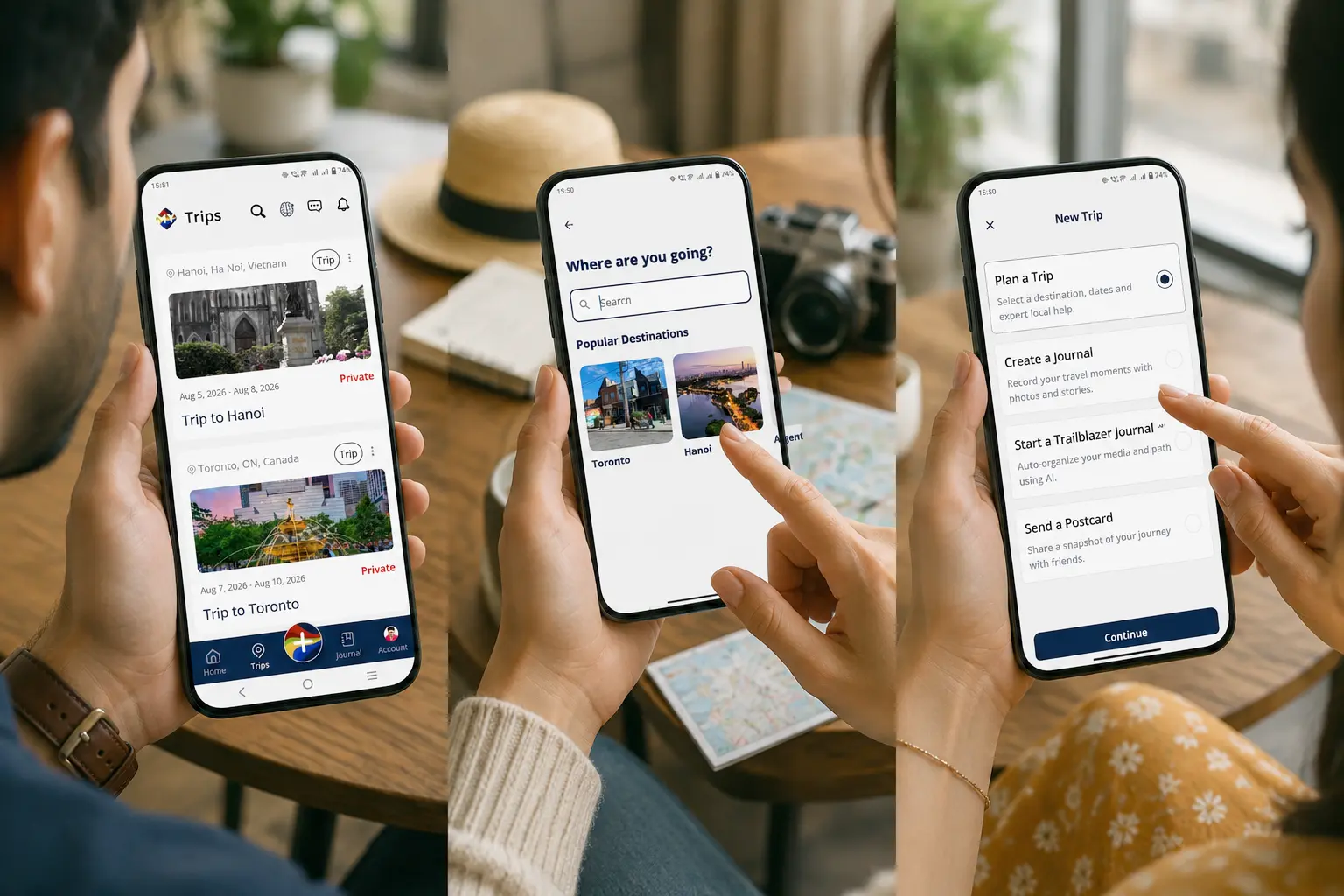
Start broad, then get specific. Use the first pass to brainstorm — “a 6-day trip mixing food, history, and something outdoorsy” — before you ask for a locked-in schedule. The tools are noticeably better at open brainstorming than at getting every logistical detail right on the first try.
Ask it to check the boring stuff. Local holidays, transit strikes, festival schedules that might overlap your dates; this is where an AI assistant with live search access earns its keep, catching disruptions a static guidebook never could.
Push back on the first answer. The tools that perform best in head-to-head testing aren’t necessarily the “smartest” ones — they’re the ones travelers actually interrogate. A hotel suggestion that quietly blows past your stated budget, or a transit pass that costs more than buying tickets individually, are the kind of gaps that show up when nobody questions the first draft.
Keep a human checkpoint before you book. None of this replaces confirming details directly with the airline, hotel, or venue, especially now that visitor caps, timed entry, and reservation requirements are becoming standard at major sites.
Where ALLMYNE AI+ Fits In
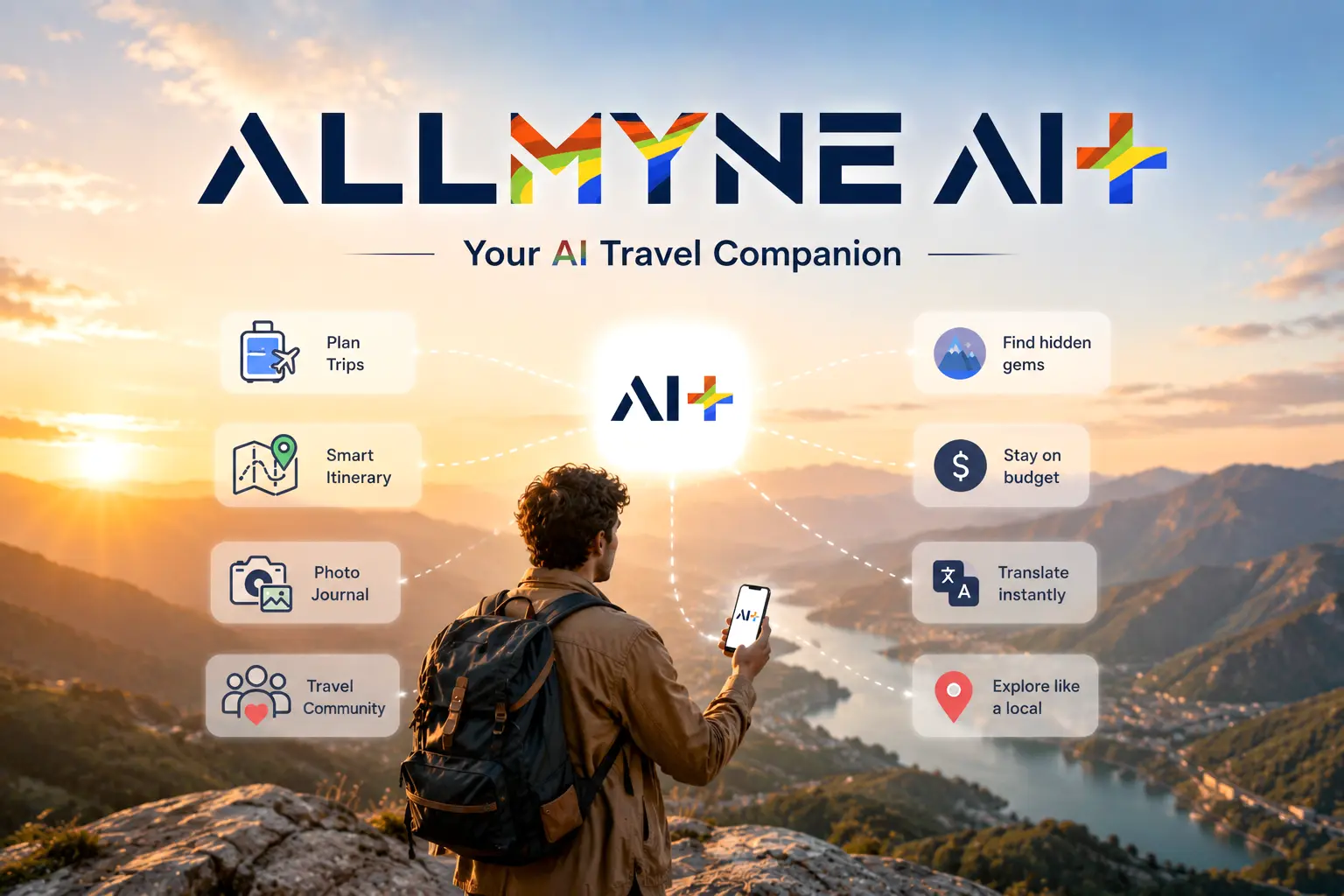
Everything above describes a real gap in how these tools work — most of them are fluent, but few of them actually feel like they know you. That’s the gap ALLMYNE built AI+ to close.
AI+ isn’t another chatbot spitting out coordinates and opening hours. It’s a travel companion designed to sense the moment you’re actually in — the kind of thing a well-traveled friend would know instinctively, not something you’d think to search for. It’s the difference between a tool that tells you a museum closes at 5pm and a companion that tells you exactly when the light hits the Amsterdam canals or teaches you the one phrase that turns a Kyoto izakaya from a stop on an itinerary into a night you actually remember.
Where the general-purpose assistants above are optimized for logistics — routing, pricing, hours — AI+ is built around a different question entirely: not just where should I go, but how should this place feel. Watch The AI That Feels to see what that looks like in practice.
The Bottom Line
AI trip planning tools are genuinely useful — for speed, for brainstorming, for cutting through decision paralysis when you’re staring at a blank itinerary. They’re just not yet a replacement for the last mile of verification a good trip still needs. Use them to get moving faster. Don’t use them as the last word before you fly.