Have you recently seen the list of the most endangered species in the world? The wonders of our planet are truly all around us, awaiting us at a lookout point, swimming by in the ocean, or even burrowing in our backyard.
But what do we do when those wonders start to disappear? With the rise of global infrastructure, climate change, and marine pollution, more and more species alike are falling into the categories of “Rare” and/or “Critically Endangered.”
Nevertheless, there are actions that we as humans can do to save these incredible creatures from extinction, whether it be through making small changes in our lives or donating to causes dedicated to aiding wild-, marine- and plant-life.
This list we’ve compiled is in no way exhaustive, but it’s a good reminder that there is hope for the species around the world that keep it turning. Furthermore, if you have an interest in learning additional information about the numerous universal instances of endangered critters, the IUCN Redlist is a good place to start.
The Most Endangered Species in the World
Our list of the most endangered species in the world looks drastically different from this type of database a few years ago, which is a testament to the re-population projects undertaken by NGOs around the world.
However, there are still plenty of animals that are in danger of disappearing, unless we do something to safeguard and protect them from extinction. Here are 5 of the most endangered species in the world.
The Speckled Ground Squirrel
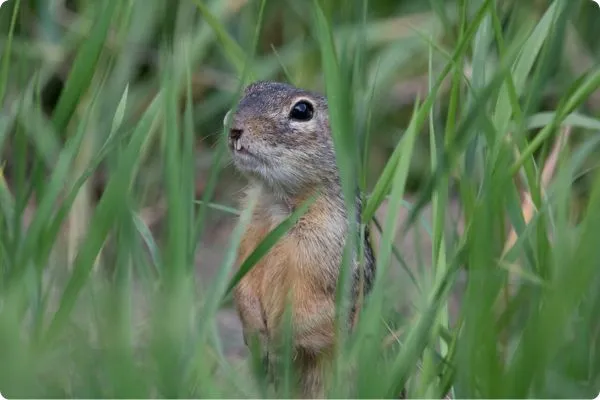
Nestled amidst blades of grass and burrowed into tunnels of hibernation, the Spermophilus suslicus, or Speckled Ground Squirrel, resides in eastern Europe, specifically south-eastern Poland and in small areas of Belarus.
The major contributing factors to the 99% population decrease since the late 1990s are habitat loss—from agricultural expansion and industrialization—and the changes in climate, with colder winters making it harder for these little sousliks to survive.
Luckily, Resolution 6 of the Bern Convention, along with the entire nation of Poland, has officially put the Speckled Ground Squirrel under legal protection, designating untouchable land where the squirrels may thrive.
Interestingly enough, it is also ecotourism—tourism that minimizes environmental impact while still enjoying all the marvels nature brings—that is benefiting this species. With humans nearby all looking for a glimpse of a souslik, predators like foxes and herons are more likely to avoid preying on the white-spotted, brown-furred, wide-eyed species.
The Common Hamster
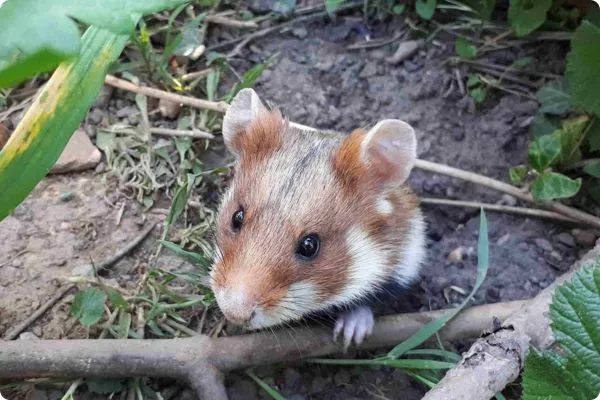
When you think about the most endangered species, the last thing you expect is an animal that has the word “common” as part of its name.
Unlike its lovable pet relatives, the Common Hamster, also known by its scientific name of Cricetus cricetus, is an endangered species residing in Europe.
With the population’s vitality mainly centered around Hungary and parts of Romania, the Common Hamster is projected to reach extinction by the year 2050 due to low reproduction rates, traps set for the trading of their fur, and encounters with crop pesticides, as well as other agricultural practices.
Another species protected by the Bern Convention, the Common Hamster has had reintroductions in France, Germany, the Netherlands, and Belgium among others; however, monitoring of these tiny creatures is only partial in Russia and Ukraine, where the threats to the hamsters’ well-being are still alive and well.
Luckily for the Cricetus cricetus, Middle Germany and Saxony—with the help of Zoo Leipzig—have taken the initiative to set up breeding stations in order to preserve the longevity of the Common Hamster’s lifespan altogether.
The African Wild Dog
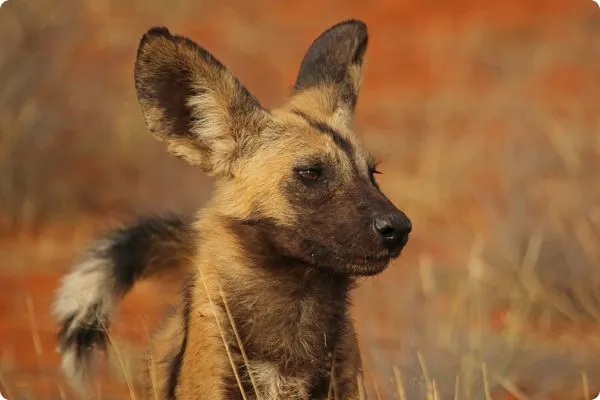
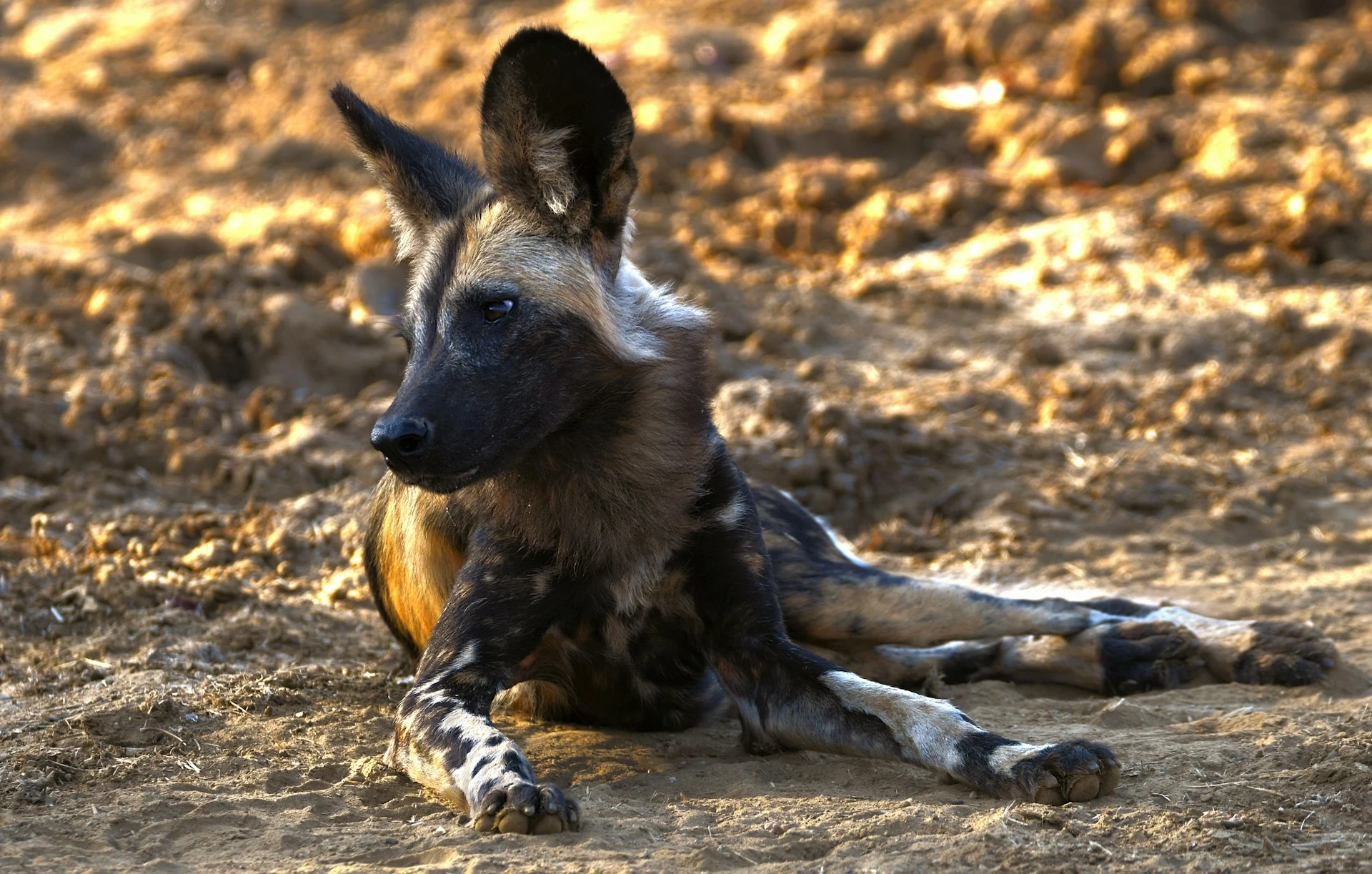
Sights of Lycaon pictus are rare even in areas where they’re meant to be seen. The African Wild Dog is already extinct in Rwanda, with possible extinction ranging throughout the entirety of Africa in places like Burkina Faso, Gambia, Togo, and Sierra Leone.
Although not much recent information can be found on the IUCN Redlist about these endangered carnivores, the Conservation Travel Africa organization, a group dedicated to sustainable tourism and ethical volunteer projects, has been assisting in saving the lives of the “painted dogs” or “painted wolves,” as they call them, through their Endangered Wildlife Conservation Programme in South Africa.
Started in 2023, the Conservation Travel Africa has been monitoring the few hundred African Wild Dogs still roaming in the wild today. Their mission is to protect the only canine on our list of the most endangered species.
Although they believe that the major causes of the Lycaon pictus’s decline, accidental killings from traps or roadway incidents, conflicts with game farmers, and an inability to adapt to changes in their habitat, are likely irreversible, volunteer projects like theirs can help nourish the growth of future African Wild Dogs through monitoring that could one day lead to long-term reintroduction back into the wild.
The Mountain Pygmy Possum
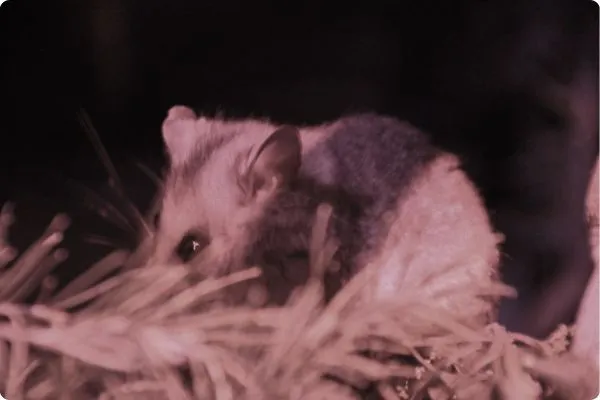
The Burramys parvus is a marsupial species native to Australia that hibernates during the winter, which is uncharacteristic among its marsupial mates. However, this is not the reason why this tiny possum is on our most endangered species list.
For these miniature nocturnal possums, seeds, fruits, and even Bogong Moths sustain them throughout the year, making it easy for them to adapt to the harsh climate of the Victorian Alps; nevertheless, the species is considered critically endangered due to many threats, including habitat fragmentation—the breaking down of large patches of land for human development—and predation.
As luck would have it, the North East Catchment Management Authority, or CMA, is in the midst of a 5-year-long project dedicated to saving the Mountain Pygmy Possum, a project that is set to conclude in 2028.
Fully funded by the Australian Government Natural Heritage Trust, the North East CMA’s project intends to target Burramys parvus’s survival through camera surveillance of national parks and alpine resorts, education on the importance of the Bogong Moth to the species, and repeat surveys of not only the possums but their environment as well to improve their living conditions.
The Atlantic Humpback Dolphin
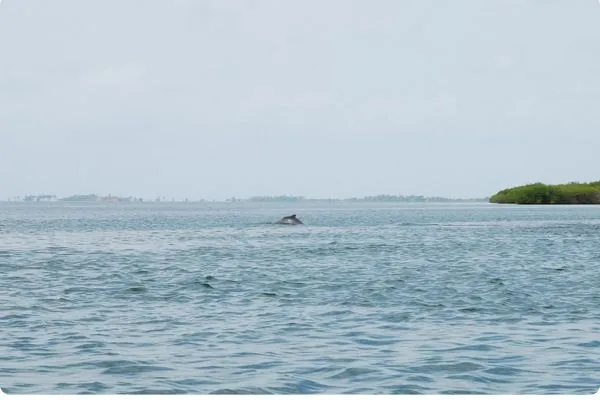
As with all members of the Delphinidae family, the Atlantic Humpback Dolphin, or Sousa teuszii, struggles to survive in their habitat of the ever-changing waters of western Africa.
While the increasing human population has brought turmoil upon these animals in the forms of habitat destruction, fisheries, and other environmental contamination like marine pollution, it is that same human population that can band together to save the roughly 1,500 adult dolphins still in existence today.
For example, the creation of healthier seas and the prevention of bycatching are ways that the WDC, the Whale and Dolphin Conservation global charity, is taking steps to create a safer environment for dolphins and whales alike.
Besides the encouraged and continuous act of cleaning up water pollution promoted all over the planet, the WDC is also focused on the harms bycatching can do.
Bycatching is when a person who is fishing uses gear that accidentally kills marine life they aren’t intending to catch; the entanglement in their nets leads to the painful passing of these gentle creatures, which can be prevented through the WDC, which works with fishers around the globe to understand the best gear they should use for the fish they’re trying to catch.
You can assist the WDC in their efforts through adopting, donating, fundraising, and/or volunteering.
See the Most Endangered Species in a Sustainable Way
With talk of de-extinction being a major trend in today’s news, it is now even more critical than before that we preserve the livelihoods of animals big and small.
Each endangered species—including but not limited to many species of gorillas, black rhinos, and the Amur leopard—has its purpose in the circle of life, especially if they don’t seem to.
It’s easy to take action within our own lives through recycling, cleaning up after ourselves, and volunteering on the scenes where people are needed the most; through these actions, more and more species will go from the categories of rare, critically endangered, and vulnerable to secure.
Download the ALLMYNE app from the APPLE STORE or GOOGLE PLAY to seamlessly plan, capture, and share your travel journey with a global community of fellow explorers.
Upgrade to our PRO subscriber level for even more perks, including audio recording in your journal, AI-powered location suggestions tailored to your interests, unlimited trip locations, and unlimited storage for all your travel memories.
Download the ALLMYNE app now – the ultimate travel companion to enhance every step of your journey!