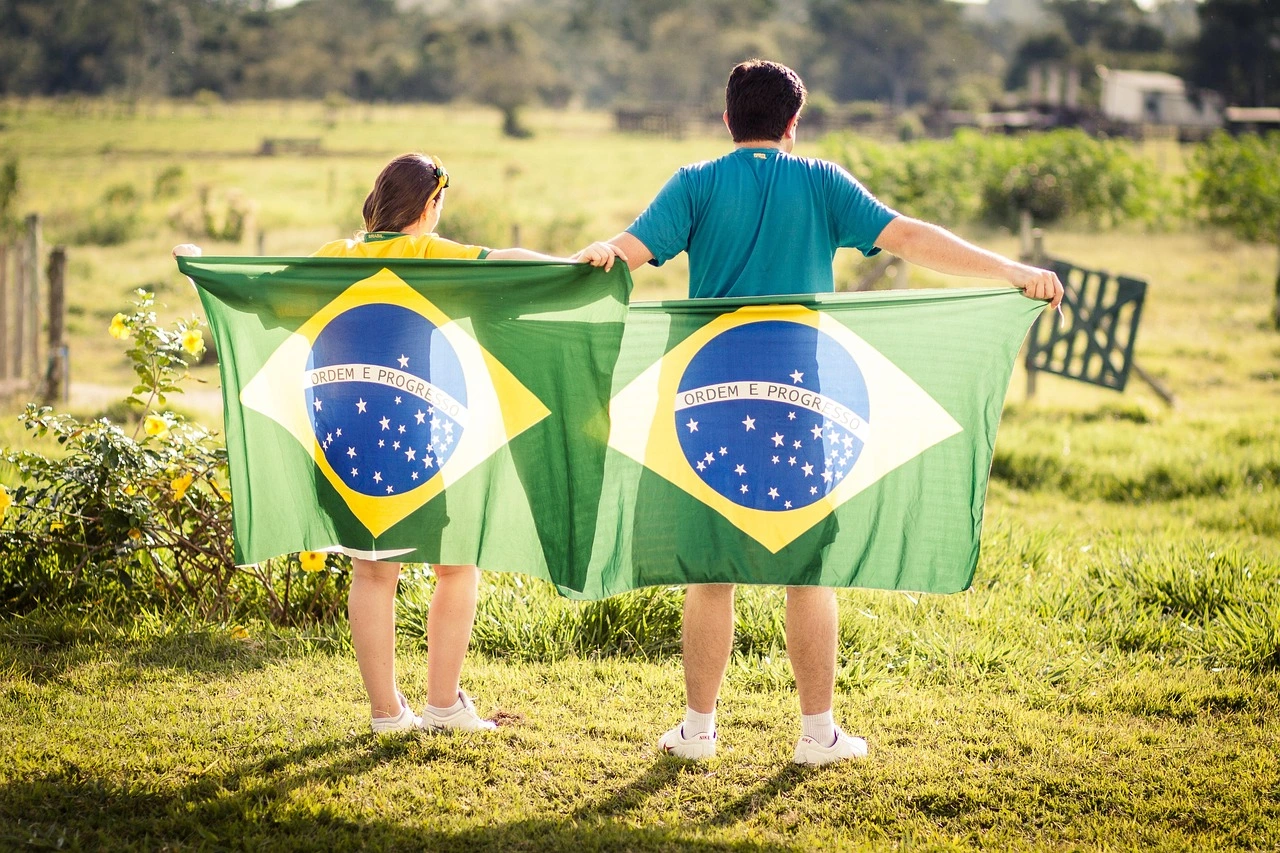
A flight that touches down in Brazil, the fifth most-populous country on Earth with a third of Latin America’s population, is always welcomed by the beauty of the Amazon rainforest, the São Paulo heartland of the nation, canoes dotting the Negro River, and the native Paubrasilia echinata, or Brazilwood, which is the country’s national tree. Plus, if you arrive at the right time, you’ll also feel the unique energy of all the wonderful festivals in Brazil.
Besides the abundance of breathtaking sights, highlands and coasts, and scarlet ibises, Brazil is also overflowing with cultural richness, bringing their warm hospitality to the forefront when greeting every new visitor to arrive in their country.
But it isn’t only the major cities of Brazil—Salvador, Rio de Janeiro, São Paulo—that encompass these virtues of Brazilian culture; it is the small towns and villages tucked along the water with their own traditions and festivities that bring an authenticity to Brazil’s customs, arts, beliefs, and celebrations.
These lesser known towns embody not only the tribes residing in Brazil but also the historic traditions of the nation’s many generations. Here are some of the small towns and festivals in Brazil that are worth planning your trip around.
1. Pirenópolis, Goiás
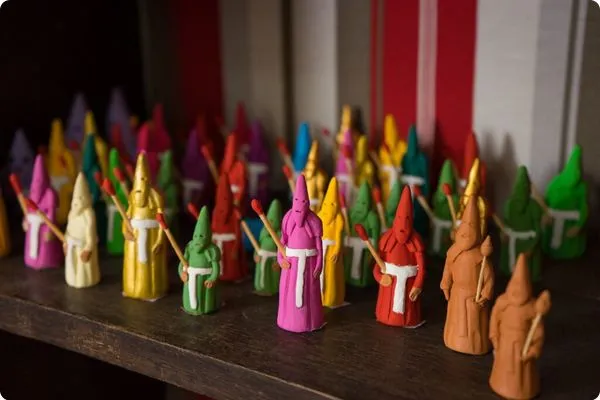
Heavily influenced by the culture of the various indigenous tribes in Brazil, Goiás embraces the values of the Goyaz, Acroás, Bororos, Xavantes, and Caiapós.
In Pirenópolis, or Piri, anonymous masked horse riders and knights come together for the Festa do Divino Espírito Santo, or the Festival of the Divine Holy Spirit, which is also referred to as the Cavalhadas—horse riding.
Happening fifty days after Easter during the time of Pentecost—between May and June—the festivities bring life to the streets of Pirenópolis for twelve full days in the form of fireworks, parades, horse shows, and medieval jousting events, all of which are reminiscent of the traditions brought to Brazil by the European immigrants.
The Cavalhada, which is a reenactment of the battle between the Christians and Muslims (or Moors), has been celebrated in this historic town since 1826, and even the horses carrying the warriors through the streets don colorful decorations significant to the celebrations and representative of each side—red versus blue.
The sight of the horse riders galloping through the Portuguese-style colonial building-lined streets is exciting for any onlooker, even though the fight’s outcome is predetermined, crowning the Christians every time to reflect the historical truths.
Many festivals in Brazil have a spiritual side, whether it’s honoring local religion, European-based faiths, or a mix of both.
With the dry season kicking off in May, it is preferable to visit Pirenópolis during that time, giving you a chance to experience the Cavalhadas in all its glory.
During the day, the warm temperatures require breathable clothing made of lightweight materials, like synthetic fabric; and, in contrast, the temperatures in the evening can drop to the low 60s, making it suitable for wearing longer pants and a lighter jacket.
Regarding jackets, prior visitors of Brazil, along with locals, emphasized that a waterproof jacket—not just a water resistant one—will make things a lot more easygoing for you on your travels.
It also goes without saying that sunscreen, hats, umbrellas, and bug spray are required, in preparation for intermittent rain, scorching midday sun, and mosquitos.
2. Blumenau, Santa Catarina
Known to many as the most German town in Brazil, Blumenau, since 1984, has been hosting the largest German festival in the Americas and the second-largest in the world; and that festival is none other than Oktoberfest.
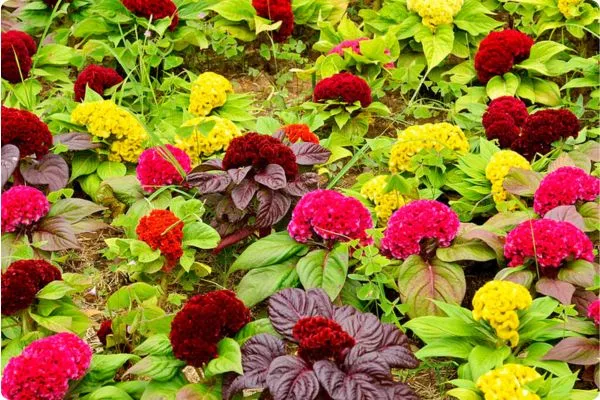
While it’s more famous than most festivals in Brazil, it’s worth reviewing how Oktoberfest got to the Southamerican nation in the first place.
In 1852, Blumenau was founded by German immigrants, hence the town’s strong Germanic influences in regards to their traditions and architecture.
With just about 85 miles of roadway between it and Florianópolis, the state capital of Santa Catarina, Blumenau is mainly a farming community, thriving off the tourism brought there for their massive Bavarian celebration and the manufacturing of textiles, like towels.
During Oktoberfest, when Blumenau is experiencing warm spring weather and occasional rain showers, the main event happens at Parque Villa Germanica in Velha.
There, one can take part in the drinking of German-style beers from local and international breweries, participate in competitions like Chopp em Metro (which has competitors race to drink one meter of beer), enjoy both German and Brazilian music, and observe the Oktoberfest Queen beauty pageant.
During these festivities, which occur during October instead of the end of September like in Munich, the weather usually stays between the low 60s and high 70s as far as the temperature goes.
Due to its coastal rainforest surroundings, you can expect some rainfall, which means a light jacket is suitable for this celebration, keeping you dry during showers and warm in the evenings.
Furthermore, because this is Brazil’s spring season, visitors should pack comfortable shoes for walking outside and visiting all the exciting scenes in Velha; loose, lightweight clothing to avoid overheating; and sunglasses or a hat.
Even when it is cloudy out, you can still be affected by the sun’s rays, so sunscreen is a must.
A lot of fashion gurus across the world say that neutral colored pants, skirts, or shirts are a good way to keep you cool, and a bright-colored top will help you fit in with all of the vibrancy of Brazilian culture.
3. Trindade, Goiás
As we mentioned earlier, a lot of festivals in Brazil revolve around religious and spiritual celebrations, like the one held in Trindade, Goiás.
A mountainous, volcanic island, Trindade of Goiás is home to the only basilica in the world dedicated to the worship of the Divine Eternal Father, of whom festivities surround on the first Sunday of every July.
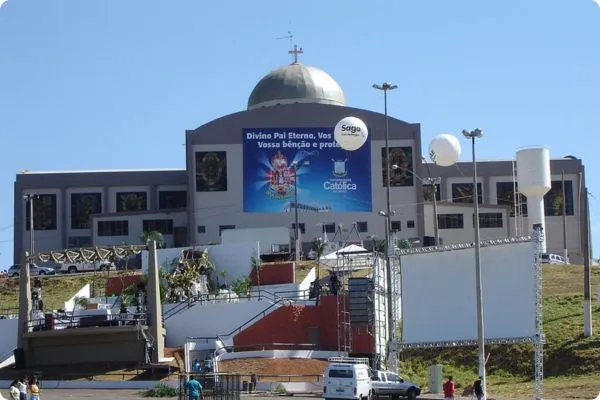
This Catholic church is not only a religious chapel but also a sanctuary for devotees and pilgrims, young and old, whose admiration dates back to the 1800s, when a supposed farmer and his wife happened upon a clay medallion depicting the Holy Trinity crowning the Virgin Mother Mary.
When many followers began to flock to the tiny island to visit this medallion, the farmer built the first chapel, covered with Buriti leaves, in 1848, which would start the evolution of the Basilica of the Divine Eternal Father.
With the inauguration of the first shrine in 1912—which became the parent of the Parish of the Trinity over time—it was the first Archbishop of the Catholic Archdiocese of Goiânia, Archbishop Fernando Gomes dos Santos, who began the official construction of the sanctuary Trindadeans know today in 1957.
When 1974 came along, the people were able to celebrate in the name of the Divine Eternal Father and carry out the novena, a nine-day period of prayer.
A little over 30 years later, Pope Benedict XVI declared the church a Basilica, a title only bestowed upon a church by a pope or immemorial tradition, identifying the religious building as the official first to worship the Divine Eternal Father.
The Shrine Basilica of the Divine Eternal Father houses the original medallion, which is only moved from its permanent home on the Day of the Great Feast, when the Pilgrimage of the Trinity occurs.
Prior to this globally-acclaimed, religious journey, over 100 masses and novenas take place—along with baptisms, vigils, confessions, and processions of all kinds—with roughly 3 million participants from across the world, a majority of whom take part in the most traditional moment of the celebration: the 11-mile walk along the Romeiros Highway.
On this day, the medallion is transported to the Basilica Shrine Square in time for the Mass of the Closing of the Feast, when the religious observance comes to its conclusion.
4. Caratinga, Minas Gerais
Minas Gerais’ beautiful, spacious countryside has a multitude of hidden treasures, one of which is Caratinga, home to two culturally traditional celebrations: Festas Juninas and Folia de Reis. This “City of Palm Trees” combines religious affiliations with their annual festivities, and both Festas Juninas and Folia de Reis are no exception.
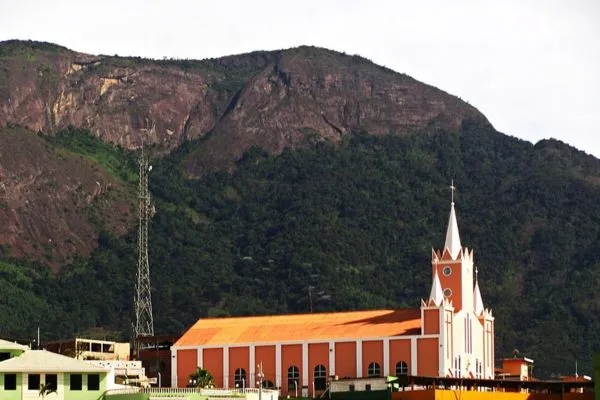
Encompassing the entirety of June, Festas Juninas celebrates Santo Antônio (Saint Anthony), São Pedro (Saint Peter), and São João (Saint John the Baptist) with traditional dances like quadrilha—a Brazilian take on the French square-dance style quadrille—and representation of rural life through trajes caipiras, or costumes that include straw hats and shirts with patches on them, all of which is a tribute to Brazilian country music.
For this Catholic tradition, bonfires are customary—as this is during the winter for Brazil—and the playing of games can be enjoyed all month long, from bingo and fake fishing to the anonymous sending of cards.
All of these pieces bring out the spirit and joy of Catholics across the entirety of Brazil, along with the countless traditional dishes provided during the festivities, like: quentão, a spiced, boiled red wine; canjica, a sweet corn dish with coconut milk; pine nuts; and pé de moleque, or peanut brittle.
On the opposite side of the year during Christmastime, Folia de Reis sees Catholics commemorating the journey of the three kings to Bethlehem; and it is common to see participants, or foliões, of the parade dressed as clowns and asking for donations, which fund a grand feast on the day of the Epiphany, January 6th.
Commonly, people make promises to saints like the Holy Spirit and São Sebastião and visit homes to sing and bless the people of the community. This makes it one of the most joyful festivals in Brazil.
This Portuguese-influenced tradition has a Capitan who organizes the parade and heads the celebration, of which music is played on tambourines, accordions, violas, and many other instruments.
5. Gramado, Rio Grande do Sul
The smells of hydrangeas, taste of chocolate, and sounds of German, Italian, and Portuguese music all culminate to support one of the greatest sights of Gramado during August: the Gramado Film Festival, which will be celebrating its 53rd season this year and maintaining its title as the longest-running film festival in the country.
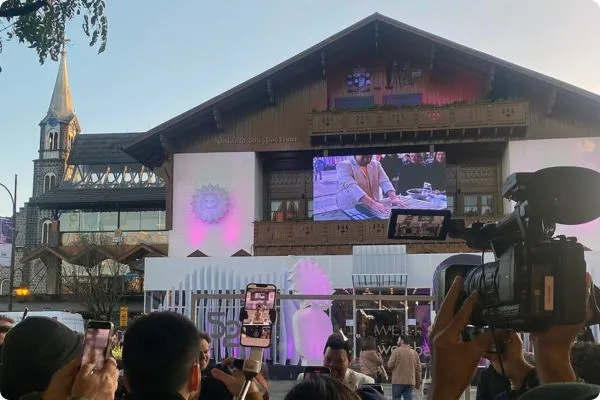
With the municipality of Gramado being officially created in 1954, this young region has been lauded as one of the three best destinations to visit in all of Brazil.
Natural beauty aside, people flock in droves to Gramado to witness the spectacularity of their film festival, an event that has been kicked off by production premieres from the Municipal Cinema School Program for the last thirteen years.
All film professionals compete for the top award in their category given at the festival, the Gold Kikito, and the festival became an international sensation when it started showcasing Ibero-American films in the early 1990s. Following its 40th edition, changes were made to return screenings of short films at the Palácio dos Festivais and make the tickets more affordable, making the festival more accessible overall.
But that is not all one can get up to in Serra Gaúcha during this time of cinematographic history-making.
For espresso enthusiasts, the Bela Vista Café Colonial—the first colonial coffee in Brazil that’s been in business since 1972—calls out, inviting coffee lovers with scents of desserts like pies and cakes.
Wine aficionados would be wise to raise a glass at the Vinolab, a place near the Hotel Casa da Monte that accentuates the spirit of experiencing wine as an art.
Finally, for those who want to immerse themselves in the great outdoors, a visit to Parque Olivas de Gramado is a terrific choice, as it combines the breathtaking views of orchards and farms, the gastronomic splendors of olive tastings, and the educational wonders on the creation of olive oil.
Enjoy Festivals in Brazil Like a Local with ALLMYNE
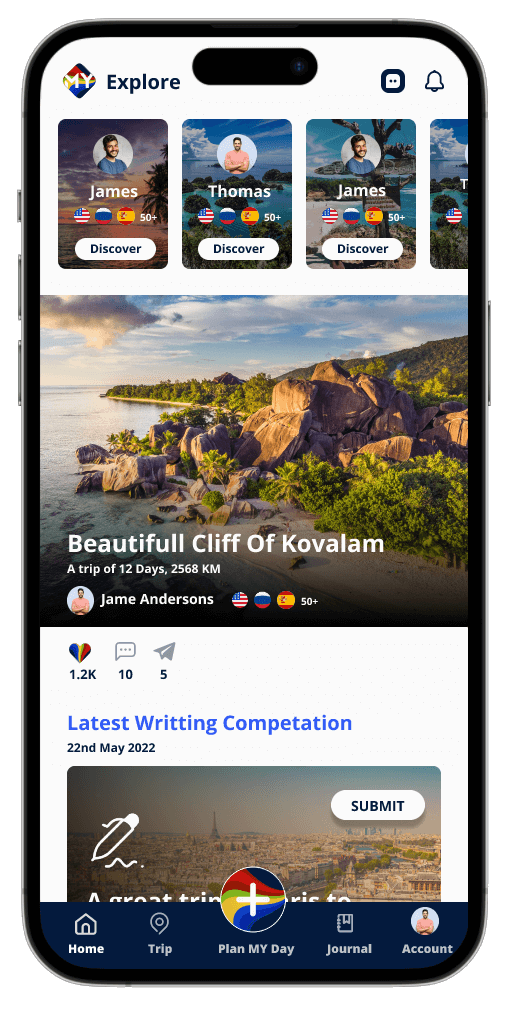
Download the ALLMYNE app from the APPLE STORE or GOOGLE PLAY to seamlessly plan, capture, and share your travel journey with a global community of fellow explorers.
Upgrade to our PRO subscriber level for even more perks, including audio recording in your journal, AI-powered location suggestions tailored to your interests, unlimited trip locations, and unlimited storage for all your travel memories.
Download the ALLMYNE app now – the ultimate travel companion to enhance every step of your journey!