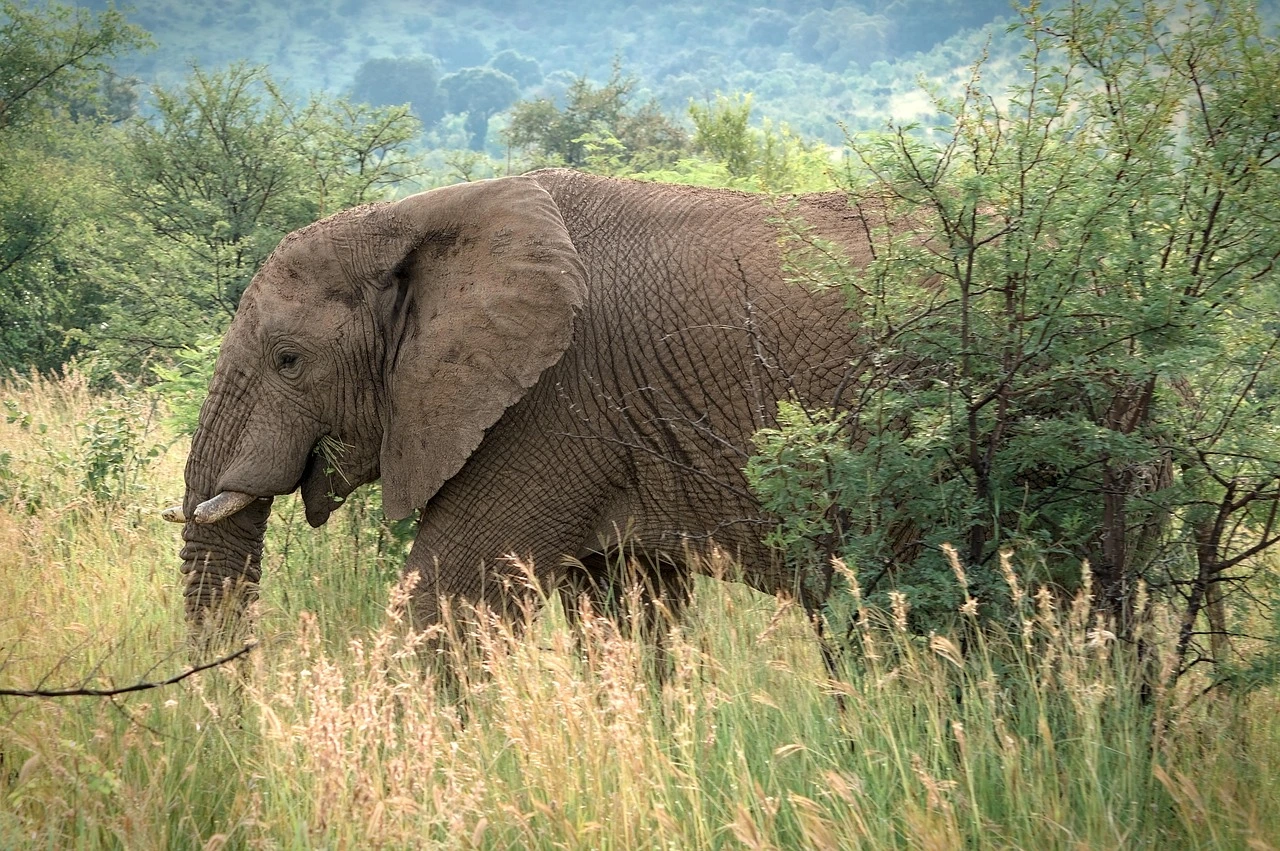
Under The National Wildlife Refuge System Improvement Act of 1997, there are six major wildlife-dependent recreational uses when it comes to being on a refuge. Among observation, environmental education, hunting, fishing, and interpretation is photography.
However, with an increase in self-proclaimed wildlife photographers Instagramming moments of an animal in its environment, there has also been an increase in crowds who threaten these same habitats and wildlife refuges; and a lot of these threats come from a lack of knowledge involving ethical wildlife photography.
Does Wildlife Photography Have an Impact?
There are many benefits to wildlife photography; and the biggest one is that it inspires action by tugging at the viewers’ heartstrings, pushing them to donate to the cause, volunteer—like at trash cleanups along the shores—and/or live cleaner lives by recycling cans and bottles, minimizing carbon footprints through walking and biking, and staying at eco-friendly lodges when traveling.
But what happens when viewers want to experience a taste of wildlife for themselves and venture into animal and plant habitats, unknowingly jeopardizing the lives of those same animals and plants?
Challenges Surrounding Ethical Wildlife Photography
Carlton Ward, Jr., a conservation photographer, National Geographic Explorer, and Senior Fellow of the International League of Conservation Photographers—as well as other conservation photographers like him—always research their intended target prior to the photoshoot. He personally consults with wildlife biologists from places like the U.S.
Fish and Wildlife Service and uses specific permits that allow for him to take photos in the wild. A tip that he utilizes is the use of two cameras: one for capturing the animal in its element and another to monitor that same animal’s behavior after the camera has taken its picture to make sure it was undisturbed by the shutter sound or flash.
As a part of the International League of Conservation Photographers, he upholds their major principles: honesty, authenticity, and accuracy; respectfulness; minimization of negative impacts on the environment and subject; integrity and professionalism; and accountability.
As well as adopting these standards across the board, wildlife photographers understand the serious consequences of what happens if they indulge in misconduct and ignore proper, unspoken protocol.
For example, geo-tagging is a major cornerstone of social media imaging today; the idea that a photo naturally comes with an attached geo-tag showing where the image was taken is very problematic in the world of conservation photography. This is due to the fact that it attracts other photographers—as well as hunters, poachers, and egg collectors—to sites of rare species, which leads to more instances of people disturbing habitats.
Ethical Wildlife Photography Tips
Regarding disturbance of a species’ environment, it is considered very inappropriate to alter the scene, whether that be by cutting back foliage for a better view or moving things around, such as rocks or other plants.
Additionally, attracting an animal’s attention—whether it be through animal calls or baiting—can also have drastic repercussions because it can lead to prey exuding excess energy to go on another hunt and/or abandon their young to fend off a perceived threat, leaving their hatchlings open to opportunistic predators. And none of this is more prevalent than in the world of photographing birds.
“The first essential element in bird photography and videography is a sincere respect for the birds and their environment,” says the National Audubon Society, an organization protecting birds in the Americas, “In any conflict of interest, the well-being of the birds and their habitats must come before the ambitions of the photographer or videographer.” The National Audubon Society has outlined rules of its own that specifically pertain to animals of the avian variety.
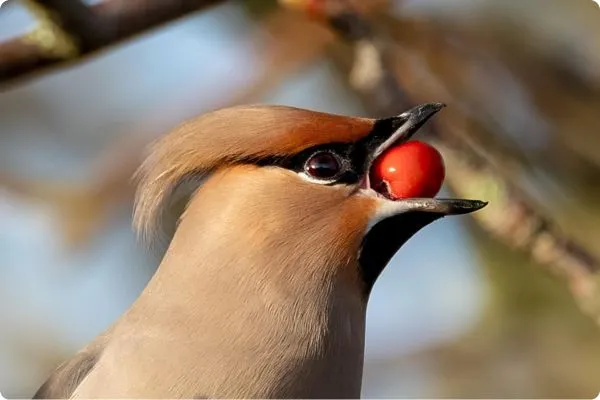
As well as emphasizing that GPS data should be removed from images or videos to preserve habitats, they state that it’s unacceptable to set bait to attract a bird. They advise using responsible luring techniques; these include keeping bird feeding stations clean and stocked with appropriate food, never using live bait—as it changes the behaviors of predatory bird—and not using bird calls. In the same vein, nesting birds are the most vulnerable, so they advise against drone footage of nests, as it will stress the nestlings. However, drone footage is a great way to get photographs and videos of landscapes.
Close Encounters and Habitat Preservation
Besides the obvious hazards of close encounters with wildlife—threats that result in aggressive behavior—it is important to understand that disruption of critical habitats when photographers attempt to capture close-up shots of animals, causes additional damage and stress to wildlife that might not be foreseen in the current moment of hopping behind the camera.
With an increase of habitat loss for species across the world due to an increase in urbanization, it’s important now more than ever to preserve wildlife environments at all costs.
Today, wildlife photographers use the new-age technology in the world of cameras. With cameras that have remote shutters—ones triggered from a far distance—and motion-sensitive shutters—ones that allow for photoshooting without the presence of the photographer—ethical wildlife photography is more possible than ever before. Just as long as everyone peering through the lens can respect their subject at hand.
Plan the Perfect Wildlife Observation Adventure with ALLMYNE
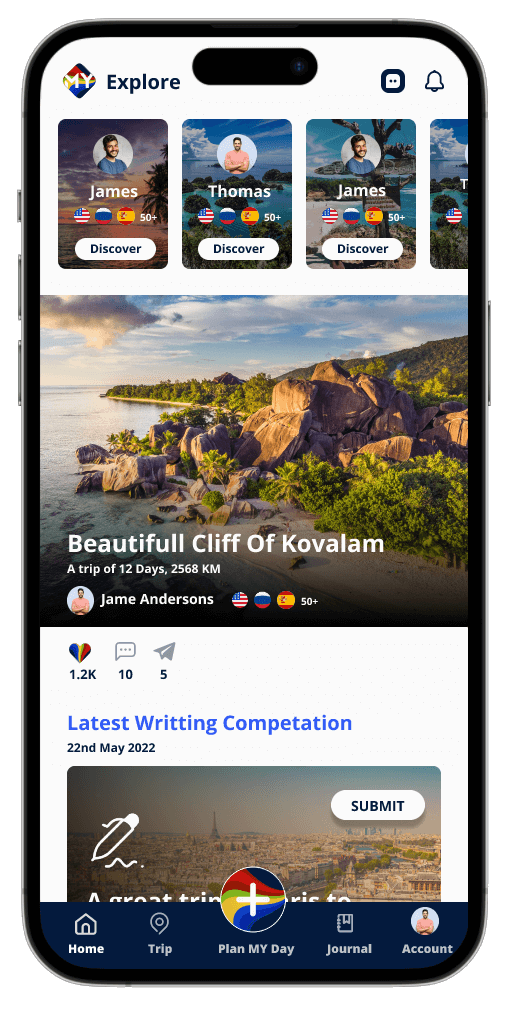
Download the ALLMYNE app from the APPLE STORE or GOOGLE PLAY to seamlessly plan, capture, and share your travel journey with a global community of fellow explorers. You can even upload your ethical wildlife photographs and share your travels with fellow adventurers!
Upgrade to our PRO subscriber level for even more perks, including audio recording in your journal, AI-powered location suggestions tailored to your interests, unlimited trip locations, and unlimited storage for all your travel memories.
Download the ALLMYNE app now – the ultimate travel companion to enhance every step of your journey!