

Chinese food culture has been depicted in countless movies, shows, and social media posts, but the best way to learn about it is to really immerse yourself.
Imagine sitting at a round table; before you is your own rice bowl and dinner plate, a soup bowl with a soup spoon and sauce plate to the side, and chopsticks nestled on a hashi-oki. Your hand can reach a small cup for tea or even a baiju wine glass.
Food is at the center of most cultures around the world, and this is extremely apparent in Chinese culture specifically. It is said that there are five love languages; but for the Chinese, there are six.
Chinese Food Culture Is All About Love and Caring
It is common for a parent to express love to their child by asking them if they’ve eaten or bringing them sliced fruit when they’re studying. From the eight culinary traditions dating back centuries to the world’s oldest tea culture, it is China that embodies the intersection of family and food.
To begin at the basics, there is specific dining etiquette when it comes to enjoying Chinese food, and these aspects reflect the respect of social hierarchies prevalent in Chinese culture.
Seating arrangements are determined by status, and gratitude can be shown by tapping two fingers on a table when someone pours tea for you—a practice that comes from the Qing dynasty when the emperor, in disguise, poured tea for a servant, and the servant couldn’t kneel as it would reveal the emperor’s identity.
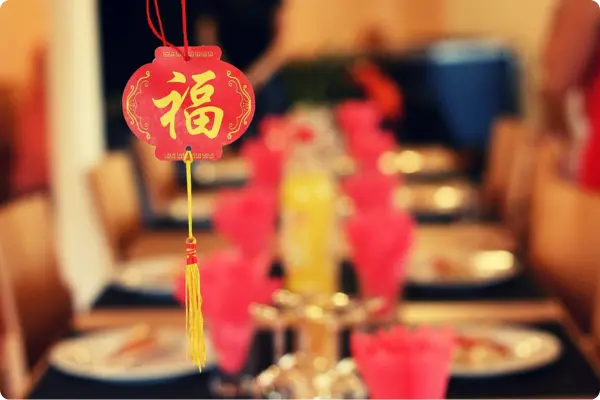
A host ensures enough food is either ordered or made for everyone by having enough for an extra person and will choose an array of meats and veggies, as well as cold and hot dishes to create a sense of dietary balance.
You may see individuals holding their rice bowls close to their faces to eat, and this is another sign of politeness and courteous behavior. It is also considered impolite when someone offers you food to eat and you reject it, as an added morsel to your bowl from the person next to you is a common practice when sitting around the table.
The Major Culinary Traditions in Chinese Food Culture
China, made up of 23 provinces (each with its own cooking style), has eight major culinary traditions, regions with significant differences between them. Ham, soup, and rock sugar are the main flavors of Anhui cuisine, known for its elegant yet simple stewing and braising techniques, evident in their popular dish, braised turtle with ham, that is specific to the Huizhou region of that province.
The next—and probably most recognized—cooking style is Cantonese, a cuisine that came to America in the 1800s. Also referred to as Guangdong cuisine, Cantonese sauces—like Oyster Sauce—bring unique flavors to all regional dishes, like seafood-stuffed dumplings, dim sum, and sweet and sour dishes.
A combination of Fuzhou, Quanzhou, and Xiamen cuisines, Fujian cuisine is known for its mouth-watering soups and sauce-rich dishes. The dish called “Buddha Jumps over the Wall” is a great example of the rich flavors and expert use of seasonings Fujian cuisine employs.
Often considered the duo la jiao (or spicy and sour) alternative to Sichuan’s hot spice, Hunan cuisine emphasizes pure flavors and the use of garlic and chilis. Hunan dishes—like Duo Jiao Zheng Yu (Fish Head with Chopped Chilies) and Mao Shi Hong Shao Rou (Chairman Mao Zedong’s Red-Braised Pork)—are all about the beautiful presentation once put on a plate or in a bowl.
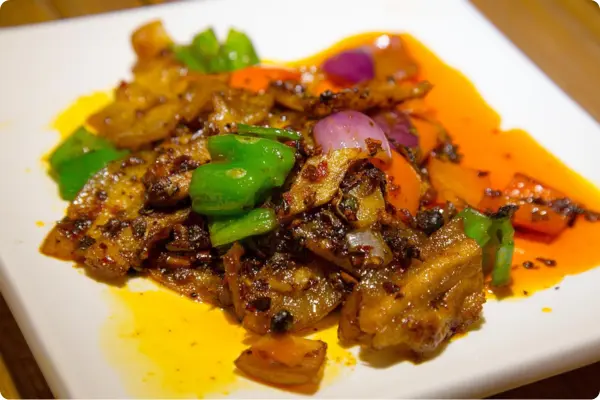
The Jiangsu way of cooking is notorious for soup creation and the use of soft foods, bringing together light and mild flavors across both Northern and Southern China. The Sweet and Sour Mandarin Fish is just one of many ways that Jiangsu chefs utilize their location along the coast.
From the birthplace of Confucius comes the Shandong cuisine, the oldest of China’s main eight culinary traditions. The Shandong’s bold flavors and an emphasis on seafood has inspired Chinese cuisine across the nation, especially with dishes like moo shu pork and braised sea cucumber.
In the Sichuan province, it was the Portuguese who introduced them to chilis in the 1700s, resulting in their bold and spicy flavors, lovingly known as Ma La, or “numbing.” Sichuan peppercorn, chili peppers, and a perfectly-curated range of condiments bring dishes like Ma Po Tofu and Dan Dan noodles to life.
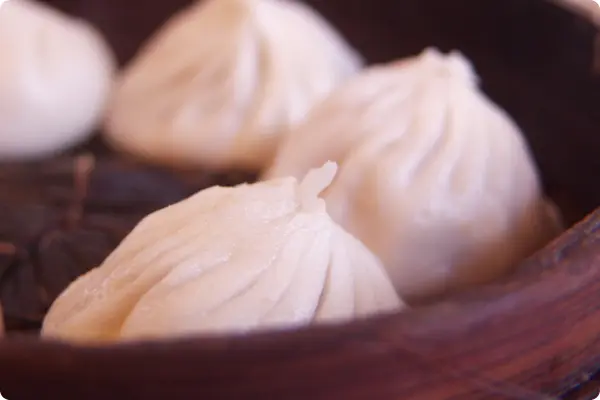
Finally, with dishes like Xiao Long Bao (soup dumplings) and Dong Po Pork, the Zhejiang cuisine is characterized by seasonal fruits and vegetables, fresh and tender bites, and a mildly sweet flavor.
Chinese Food Culture Brings All the Regions Together!
No matter how different the gastronomic traditions between these Chinese provinces are, they all have one thing in common: communal, family-style dining that reflects togetherness and unity.
The head of the household usually sits in the chair that faces the entrance to the dining room with the next members of importance beside them, eventually allowing for the youngest member of the family to be seated directly across from the oldest.
Reflecting the tradition of showing honor and respect to one’s elders, the youngest member invites the oldest of the family to enjoy the meal, signaling for the head of the household to pick up their chopsticks and begin eating.
Good Food for the Body and Soul
Food in China isn’t just used to fill one’s belly or show affection between one another; it also is used medicinally. Shíliáo, or “food therapy,” is the traditional Chinese practice of medicinal cuisine.
The Huangdi Neijing of the Han Dynasty details the basics of Chinese food therapy, giving recommendations on what to eat and how to eat it with the ultimate goal being eating for internal balance.
Some of us are familiar with the concept that ginger tea helps with stomach aches and digestion; that is an example of the Chinese medicine diet. Balance of one’s Qi, or life force, is put in jeopardy when the body becomes sick or disease-ridden; so, a remedy would include something to balance one’s Qi temperature. Thus, Chinese meals include all flavors to create a balanced meal and diet.
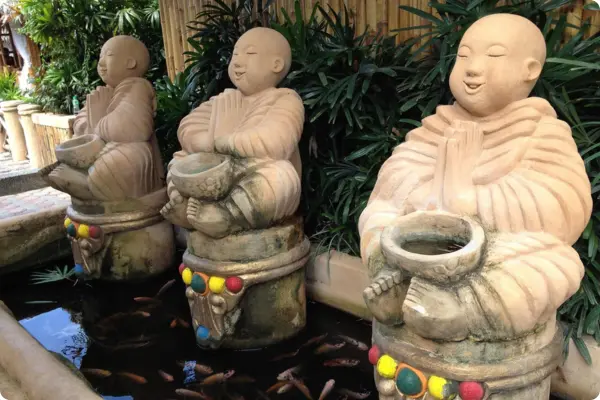
Finally, any mentioning of Chinese food culture would be incomplete without discussing tea. Tea in China has always been a focal point in meditation, as it brings calmness which leads to mindfulness.
Prior to being a popular beverage with an intricate ceremonial tradition for enjoying it, tea was used medicinally dating back to the Tang Dynasty. Buddhist monks used tea to stay awake during their meditations before it found its way into the cities of China. With it being the only place to produce all six classical tea types—oolong, white, Pu-erh, yellow, black, and green—China takes the crown as the capital of tea.
Explore China’s Rich Food Culture During the Trip of a Lifetime
Whether it’s take-out boxes in the living room or a sit-down, family style meal shared at a round table, Chinese culinary culture holds a special place in the stomachs of all who have the honor of eating it.
Download the ALLMYNE app from the APPLE STORE or GOOGLE PLAY to seamlessly plan, capture, and share your travel journey with a global community of fellow explorers.
Upgrade to our PRO subscriber level for even more perks, including audio recording in your journal, AI-powered location suggestions tailored to your interests, unlimited trip locations, and unlimited storage for all your travel memories.
Download the ALLMYNE app now – the ultimate travel companion to enhance every step of your journey!